 EN
EN

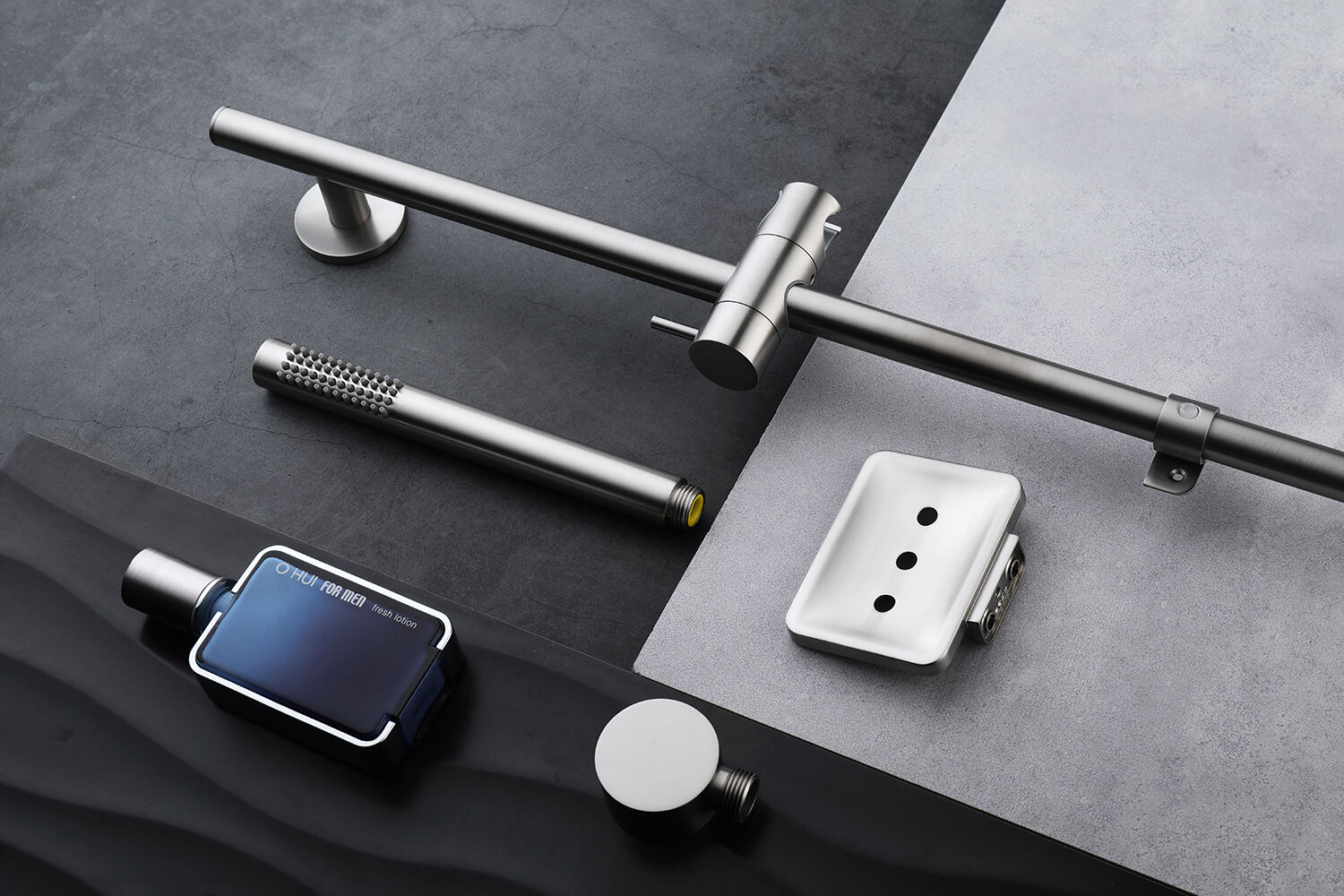
Selecting the right shower faucet for your bathroom involves careful consideration of multiple factors that will impact both your daily comfort and long-term satisfaction. The perfect shower faucet combines functionality, durability, and aesthetic appeal while fitting seamlessly into your bathroom's design scheme and plumbing infrastructure. Understanding the key selection criteria before making your purchase decision will help ensure you choose a shower faucet that meets your specific needs and preferences.
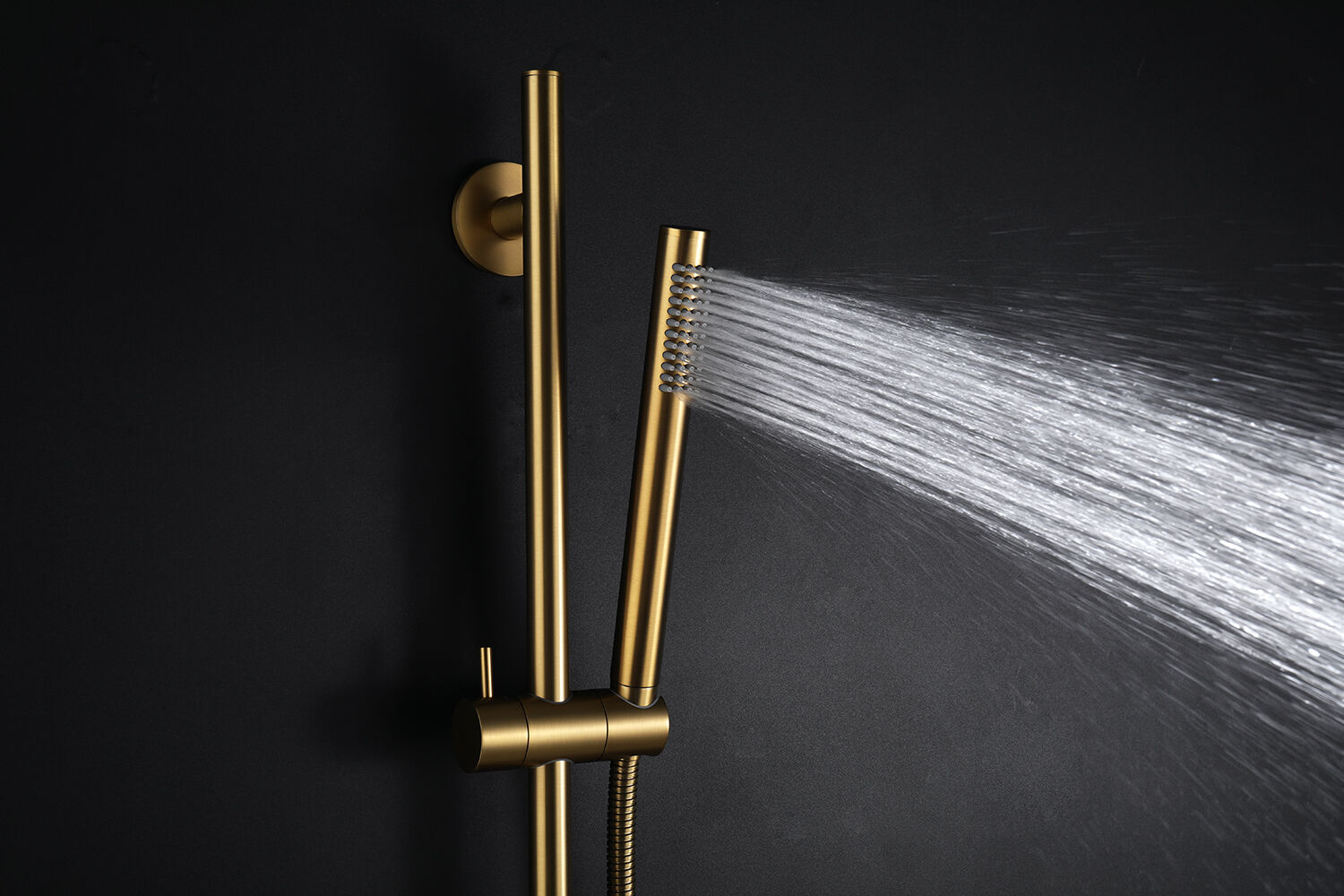
The process of choosing the best shower faucet requires evaluating your existing plumbing configuration, water pressure capabilities, design preferences, and budget constraints. Modern shower faucets offer various features and technologies that can significantly enhance your showering experience, from precise temperature control to water-saving capabilities. This comprehensive guide will walk you through each critical decision point to help you select a shower faucet that delivers optimal performance and satisfaction for years to come.
Understanding Shower Faucet Types and Configurations
Valve System Options
The valve system forms the heart of any shower faucet, controlling water flow and temperature mixing. Pressure-balancing valves automatically adjust to maintain consistent water temperature when pressure fluctuates elsewhere in your home, making them ideal for families with multiple simultaneous water users. These shower faucet systems provide enhanced safety by preventing sudden temperature spikes that could cause scalding.
Thermostatic valves offer the most precise temperature control by maintaining your preset temperature regardless of pressure changes throughout your home. When selecting a shower faucet with thermostatic controls, you gain the ability to set your exact preferred temperature and enjoy consistent performance every time you shower. These systems typically cost more initially but provide superior comfort and safety benefits.
Manual mixing valves represent the most basic and affordable option, requiring manual adjustment of hot and cold water handles to achieve desired temperature. While these shower faucet types lack automatic temperature compensation, they remain reliable and suitable for homes with stable water pressure and single-user bathroom scenarios.
Installation Configuration Considerations
Wall-mounted shower faucets integrate directly into your bathroom wall, creating a clean, streamlined appearance that maximizes shower space. These configurations work particularly well in modern bathroom designs where minimalist aesthetics are prioritized. When choosing a wall-mounted shower faucet, ensure your wall construction can adequately support the unit and that access exists for future maintenance.
Exposed shower faucet systems mount externally on the wall surface, making installation and maintenance more straightforward while offering more affordable pricing. These units allow easier access to components and provide flexibility for retrofitting existing bathrooms without extensive wall modifications. Many contemporary exposed shower faucet designs offer attractive styling that complements various bathroom decor themes.
Concealed shower faucet installations hide all plumbing components within the wall, presenting only the control handles and showerhead connections. This configuration requires more complex installation and planning but creates the most refined and space-efficient appearance. Consider concealed systems when building new bathrooms or during major renovations where wall access is readily available.
Key Features and Performance Criteria
Water Flow and Pressure Requirements
Your home's water pressure directly impacts shower faucet performance and your overall showering experience. Most residential shower faucet systems require minimum water pressure of 15-20 PSI to function properly, though optimal performance typically occurs with 30-80 PSI. Before selecting any shower faucet, measure your home's water pressure to ensure compatibility with your chosen system.
Flow rate specifications determine how much water your shower faucet delivers per minute, affecting both water usage and shower intensity. Current federal regulations limit shower faucet flow rates to 2.5 gallons per minute, though many modern units offer lower flow rates for improved water conservation. Consider your preferences for water pressure sensation when evaluating different flow rate options.
Multi-function shower faucet systems allow switching between different outlet options such as overhead rainfall showers, handheld units, or body spray jets. These versatile configurations provide customizable showering experiences but require adequate water pressure to operate multiple functions simultaneously. Evaluate your household's water pressure capacity before investing in complex multi-outlet shower faucet systems.
Material Quality and Durability
Brass construction represents the gold standard for shower faucet longevity and performance, offering excellent corrosion resistance and structural integrity. High-quality brass shower faucet components maintain their performance characteristics over decades of use while resisting mineral buildup and wear. When evaluating shower faucet options, prioritize solid brass construction over plated alternatives for maximum durability.
Ceramic disc cartridges provide superior sealing and longevity compared to rubber washer systems, reducing maintenance requirements and ensuring smooth operation. Modern shower faucet units with ceramic cartridges typically offer 500,000+ cycle lifespans, significantly exceeding traditional washer-based systems. This technology contributes to leak-free performance and consistent temperature control throughout the shower faucet's service life.
Finish quality affects both appearance and long-term maintenance requirements for your shower faucet investment. Premium finishes like brushed nickel, oil-rubbed bronze, or matte black offer superior scratch resistance and easier cleaning compared to polished surfaces. Consider your bathroom's cleaning routine and aesthetic preferences when selecting shower faucet finish options.
Design Integration and Aesthetic Compatibility
Style Coordination Principles
Your shower faucet should complement your bathroom's overall design theme rather than competing for attention or creating visual discord. Traditional bathroom designs typically pair well with classic shower faucet styles featuring ornate details and warm metallic finishes like oil-rubbed bronze or antique brass. These combinations create cohesive visual flow throughout your bathroom space.
Contemporary bathroom designs benefit from sleek, geometric shower faucet profiles with clean lines and minimal decorative elements. Modern shower faucet options in brushed stainless steel, matte black, or polished chrome finishes align perfectly with contemporary design principles. Consider how your shower faucet choice will integrate with other bathroom fixtures and hardware elements.
Transitional design approaches allow flexibility in shower faucet selection, accommodating both traditional and contemporary elements within the same space. This design philosophy enables you to choose shower faucet options that bridge different style periods while maintaining overall design coherence. Focus on proportion and finish coordination when selecting shower faucet units for transitional bathroom spaces.
Space Planning and Proportional Considerations
Large shower spaces can accommodate more substantial shower faucet systems with multiple outlets and prominent design elements without overwhelming the area. Spacious shower environments provide opportunities to specify luxury shower faucet configurations with rainfall heads, body sprays, and handheld components. Consider the visual weight and scale of different shower faucet options relative to your available space.
Compact shower areas require careful shower faucet selection to maximize functionality while maintaining comfortable clearances and proportional aesthetics. Streamlined shower faucet designs with space-efficient profiles help prevent crowding while still delivering excellent performance. Wall-mounted or concealed shower faucet configurations often work best in smaller shower spaces.
Ceiling height influences shower faucet positioning and component selection, particularly for overhead shower elements. Standard 8-foot ceilings may limit large rainfall shower faucet installations, while higher ceilings provide more flexibility for dramatic shower faucet configurations. Measure your vertical clearances carefully before committing to specific shower faucet designs.
Installation Requirements and Professional Considerations
Plumbing Infrastructure Assessment
Existing plumbing configuration determines which shower faucet options are feasible without major modifications to your bathroom's infrastructure. Single-handle shower faucet units typically require different rough-in dimensions compared to dual-handle systems, affecting compatibility with existing valve placements. Review your current plumbing layout before selecting replacement shower faucet options.
Water supply line sizing impacts shower faucet performance, particularly for systems with multiple outlets or high flow rate requirements. Most residential shower faucet installations utilize half-inch supply lines, though larger systems may benefit from three-quarter-inch supplies for optimal performance. Consult with plumbing professionals when upgrading to premium shower faucet systems with enhanced flow requirements.
Electrical requirements apply to certain advanced shower faucet features like digital temperature displays, LED lighting, or electronic controls. These enhanced shower faucet systems require dedicated electrical circuits and GFCI protection for safe bathroom operation. Plan for electrical upgrades when specifying technology-enhanced shower faucet options.
Professional Installation Benefits
Licensed plumbers ensure proper shower faucet installation according to local building codes and manufacturer specifications, preventing future problems and warranty issues. Professional installation provides peace of mind that your shower faucet system will operate safely and efficiently from the start. Complex shower faucet systems particularly benefit from professional expertise during installation.
Warranty protection often requires professional shower faucet installation to maintain coverage for defects or performance issues. Many premium shower faucet manufacturers specify professional installation as a warranty requirement, making DIY installation potentially costly if problems develop. Review warranty terms before deciding between professional and self-installation approaches.
Proper waterproofing and sealing techniques ensure long-term shower faucet performance without water damage to surrounding wall areas. Professional installers understand critical sealing points and waterproofing requirements for different shower faucet configurations. This expertise prevents costly water damage repairs that can result from improper shower faucet installation.
FAQ
What factors should I prioritize when choosing between different shower faucet valve types?
Prioritize safety and consistency by choosing pressure-balancing or thermostatic valves over basic manual mixing valves. Pressure-balancing shower faucet systems prevent dangerous temperature fluctuations when other water outlets are used simultaneously in your home. Thermostatic valves offer the highest level of temperature precision and safety but require higher initial investment. Consider your household's water usage patterns and safety requirements when selecting shower faucet valve technology.
How do I determine if my existing plumbing can support a new shower faucet system?
Measure your current valve spacing and compare it to your desired shower faucet specifications to ensure compatibility. Check your home's water pressure using a pressure gauge to verify it meets the minimum requirements for your chosen shower faucet system. Most residential installations can accommodate standard shower faucet replacements, but significant upgrades may require plumbing modifications. Consult a licensed plumber for assessment if you're considering major shower faucet system changes or multiple-outlet configurations.
What maintenance requirements should I expect with different shower faucet types?
High-quality shower faucet systems with ceramic cartridges typically require minimal maintenance beyond regular cleaning and occasional cartridge replacement every 10-15 years. Brass shower faucet components resist corrosion and mineral buildup better than alternative materials, reducing maintenance frequency. Concealed shower faucet systems may require more complex maintenance procedures but generally need service less frequently than exposed units. Regular cleaning with appropriate products helps maintain shower faucet appearance and performance regardless of the specific system type.
How can I ensure my shower faucet choice provides good long-term value?
Invest in quality construction materials like solid brass components and ceramic cartridges rather than focusing solely on initial purchase price. Choose shower faucet systems from manufacturers with strong warranty support and readily available replacement parts. Consider water efficiency ratings to reduce long-term utility costs, and select finishes that resist scratching and require minimal maintenance. A well-chosen shower faucet system should provide 15-20 years of reliable service with minimal maintenance requirements.
Table of Contents
- Understanding Shower Faucet Types and Configurations
- Key Features and Performance Criteria
- Design Integration and Aesthetic Compatibility
- Installation Requirements and Professional Considerations
-
FAQ
- What factors should I prioritize when choosing between different shower faucet valve types?
- How do I determine if my existing plumbing can support a new shower faucet system?
- What maintenance requirements should I expect with different shower faucet types?
- How can I ensure my shower faucet choice provides good long-term value?