 EN
EN

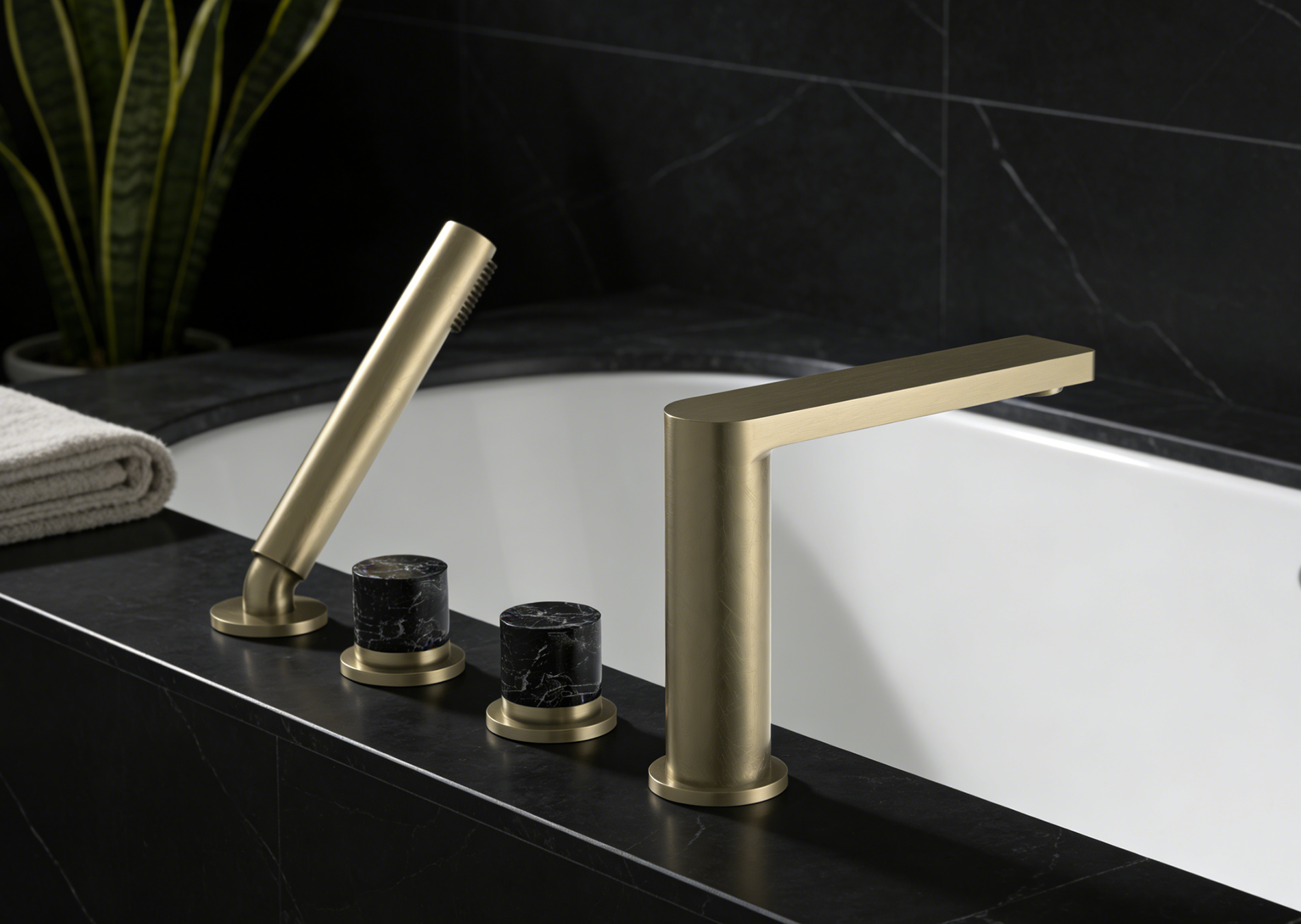
When outfitting hotel bathrooms with premium fixtures, selecting the right bathtub tap becomes a critical decision that impacts both guest satisfaction and long-term operational costs. Hotel managers and procurement specialists must evaluate multiple factors beyond basic functionality, considering durability requirements, maintenance demands, aesthetic appeal, and compliance standards that differ significantly from residential applications. The bathtub tap you choose will face constant use from diverse guests, requiring robust construction and reliable performance under demanding conditions.
Hotel bathtub tap selection requires a comprehensive understanding of commercial-grade specifications, water pressure compatibility, and design elements that align with your property's brand positioning. Unlike residential installations, hotel bathtub taps must withstand frequent operation cycles, varying water quality conditions, and potential misuse while maintaining consistent performance and appearance. This guide examines the essential considerations that ensure your bathtub tap investment delivers optimal value, guest satisfaction, and operational efficiency throughout its service life.
Durability and Build Quality Requirements
Commercial-Grade Construction Standards
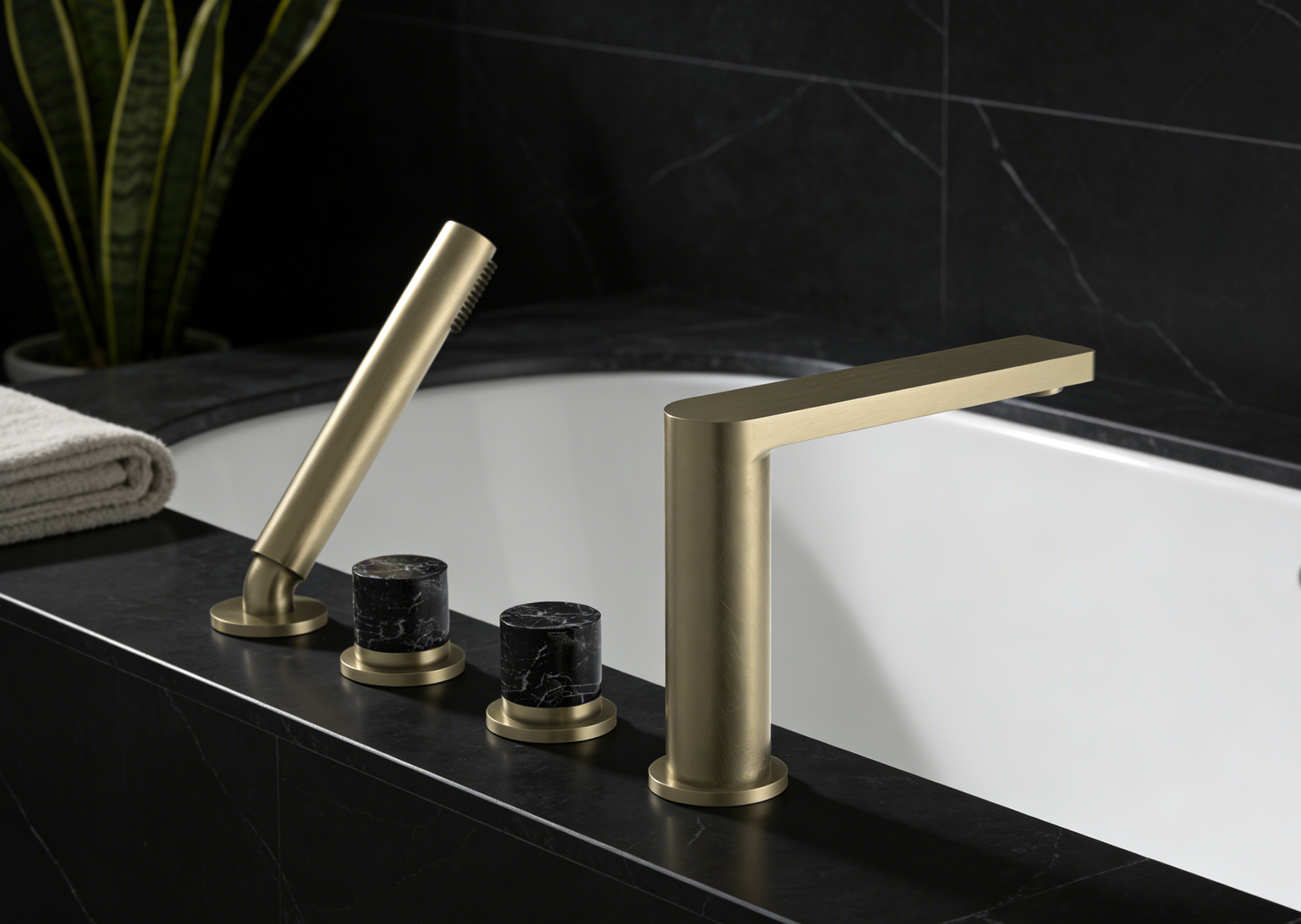
Hotel bathtub taps must meet commercial-grade construction standards that far exceed residential requirements. The fixture experiences significantly higher usage frequency, with some hotel bathtub taps operating multiple times daily across various guest demographics. Solid brass construction with heavy-duty internal components provides the foundation for long-term reliability, while inferior materials like plastic or thin-walled metals quickly fail under commercial conditions.
The valve mechanism represents the most critical component of any bathtub tap, requiring ceramic disc technology or high-quality compression systems designed for extended operation cycles. Premium bathtub tap models feature replaceable cartridges that enable maintenance without complete fixture replacement, reducing long-term costs and minimizing guest disruption during repairs. Additionally, reinforced mounting systems and thicker wall construction prevent loosening and damage from frequent use.
Corrosion Resistance and Finish Durability
Hotel environments expose bathtub taps to diverse water chemistry conditions, cleaning chemicals, and varying maintenance practices that accelerate corrosion and finish deterioration. Multi-layer plating systems with nickel undercoating and premium chrome or brushed finishes provide superior protection against water spots, chemical damage, and physical wear. The bathtub tap finish must maintain its appearance despite daily housekeeping activities and guest use patterns that would quickly compromise inferior coatings.
Stainless steel components within the bathtub tap assembly resist mineral buildup and chemical reactions that cause internal corrosion and performance degradation. Some hotel-grade bathtub tap models incorporate antimicrobial surface treatments that inhibit bacterial growth, supporting enhanced hygiene standards required in hospitality applications. These protective measures extend the bathtub tap's aesthetic and functional lifespan while reducing maintenance frequency and replacement costs.
Water Pressure and Flow Performance
Pressure Compatibility Assessment
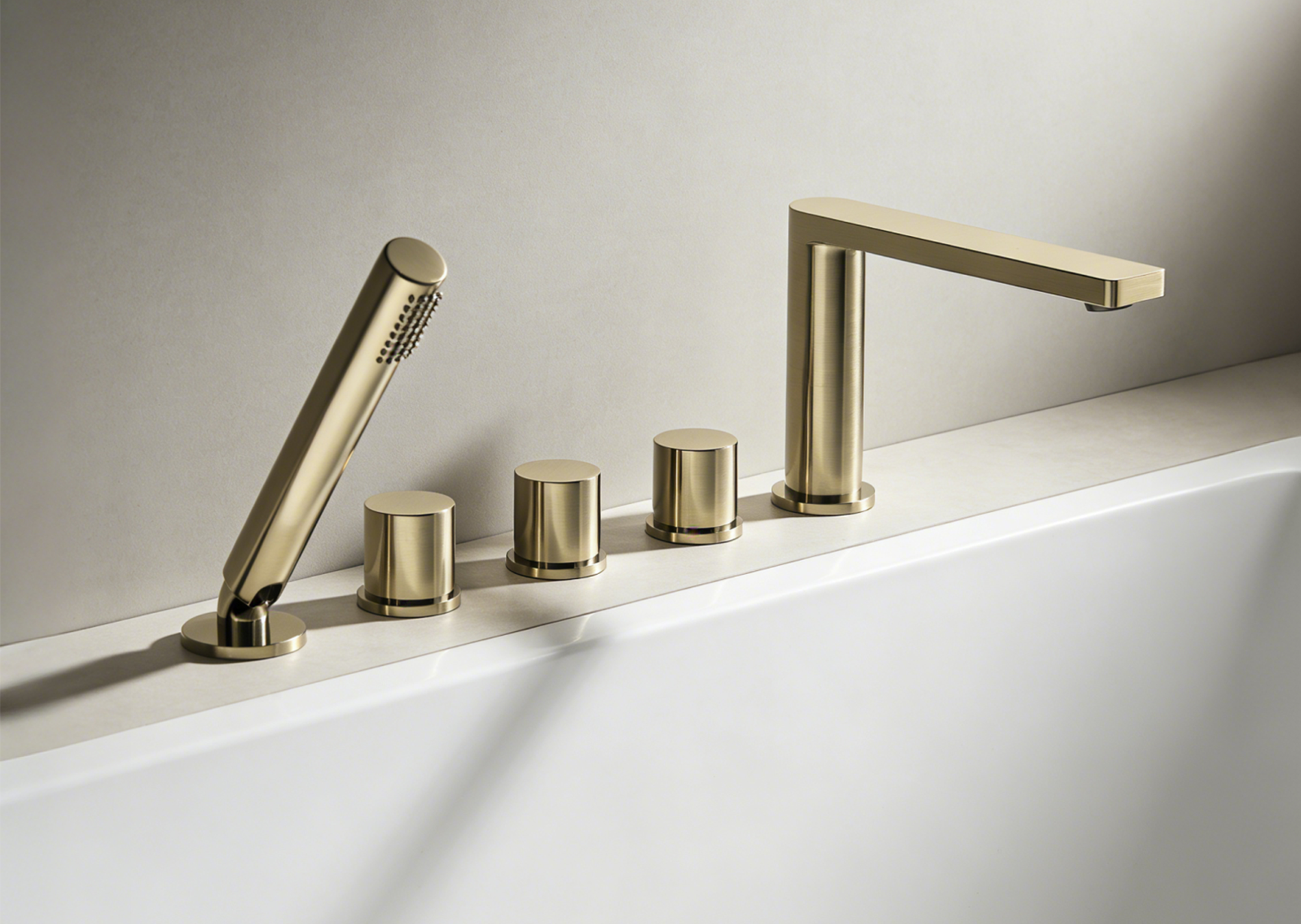
Hotel plumbing systems often operate under varying pressure conditions depending on building height, pump systems, and demand fluctuations throughout the day. Your bathtub tap selection must accommodate the specific pressure range available at each installation location while delivering consistent flow performance across all operating conditions. Low-pressure bathtub tap designs incorporate flow restrictors and aerators that maintain adequate performance even when system pressure drops during peak usage periods.
High-rise hotels require bathtub tap models engineered for elevated pressure conditions that can exceed residential standards. Pressure-compensating mechanisms within quality bathtub tap designs prevent excessive flow rates that waste water and create uncomfortable user experiences. Additionally, the bathtub tap must handle pressure surges and fluctuations without internal damage or performance degradation that leads to premature failure.
Flow Rate Optimization and Water Conservation
Modern hotel operations prioritize water conservation without compromising guest experience, making flow rate optimization a crucial bathtub tap selection criterion. Energy-efficient bathtub tap designs incorporate advanced aerator technology that maintains perceived flow volume while reducing actual water consumption. This technology helps hotels meet sustainability goals and reduce utility costs without guest satisfaction impacts.
The bathtub tap must balance fill time requirements with conservation objectives, ensuring guests can efficiently fill bathtubs while minimizing water waste. Variable flow control features allow users to adjust output according to their preferences, while built-in flow limiters prevent excessive consumption during extended operation. Smart bathtub tap technologies can incorporate automatic shutoff features that prevent overflow conditions and reduce water waste from unattended operation.
Design Integration and Aesthetic Considerations
Style Compatibility with Hotel Branding
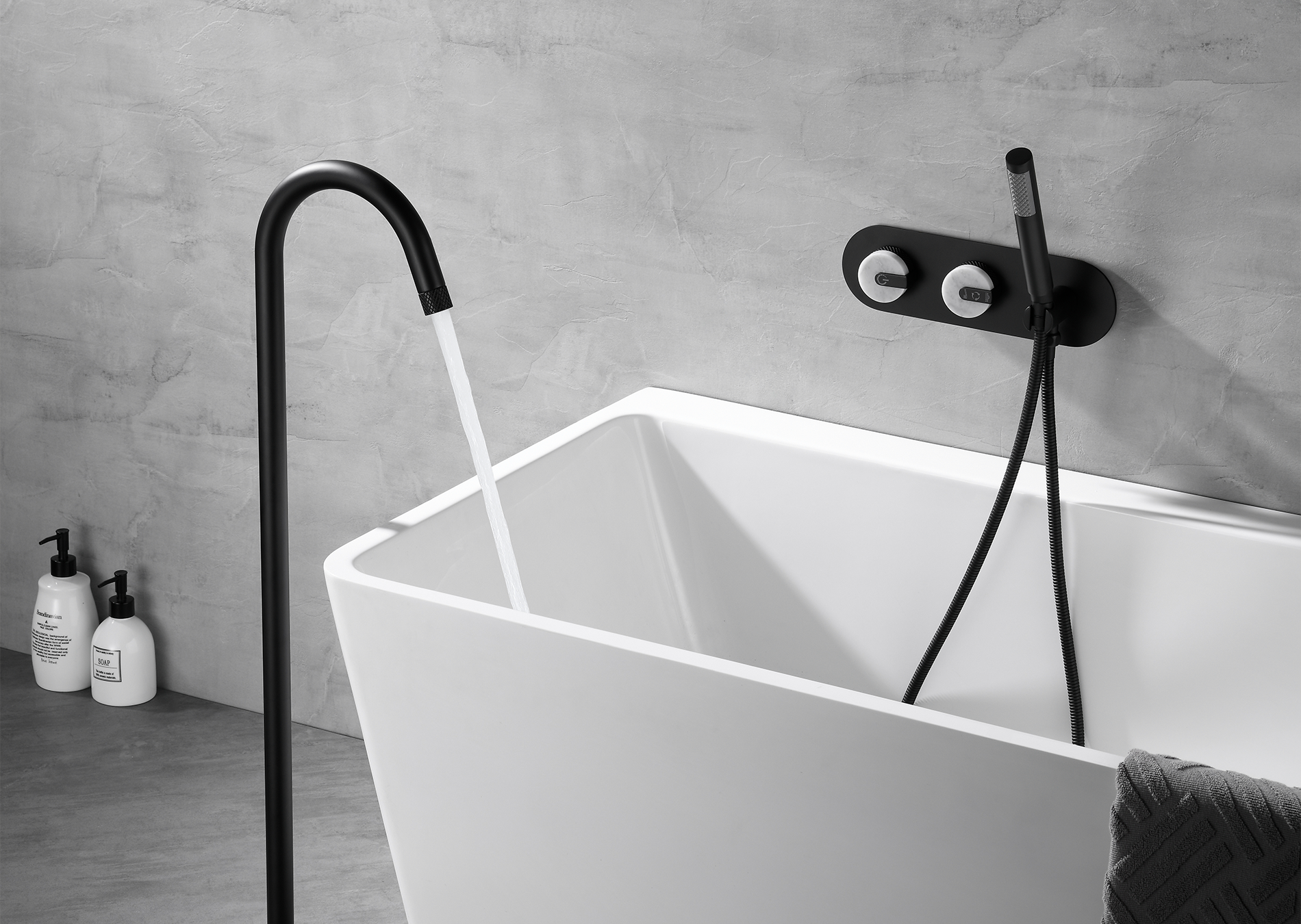
The bathtub tap serves as a visible design element that contributes to overall bathroom aesthetics and guest perception of quality and attention to detail. Contemporary hotel designs often feature minimalist bathtub tap profiles with clean lines and sophisticated finishes that complement modern decor themes. Traditional or luxury-positioned properties may require ornate bathtub tap designs with classical proportions and premium metal finishes that reinforce the desired ambiance.
Color coordination between the bathtub tap and other bathroom fixtures creates visual harmony that enhances the overall design impact. Matching finish families across towel bars, lighting fixtures, and hardware elements creates a cohesive appearance that guests associate with quality and professionalism. The bathtub tap design should align with the hotel's brand positioning, whether targeting business travelers seeking modern efficiency or leisure guests expecting luxury amenities.
Installation Configuration Options
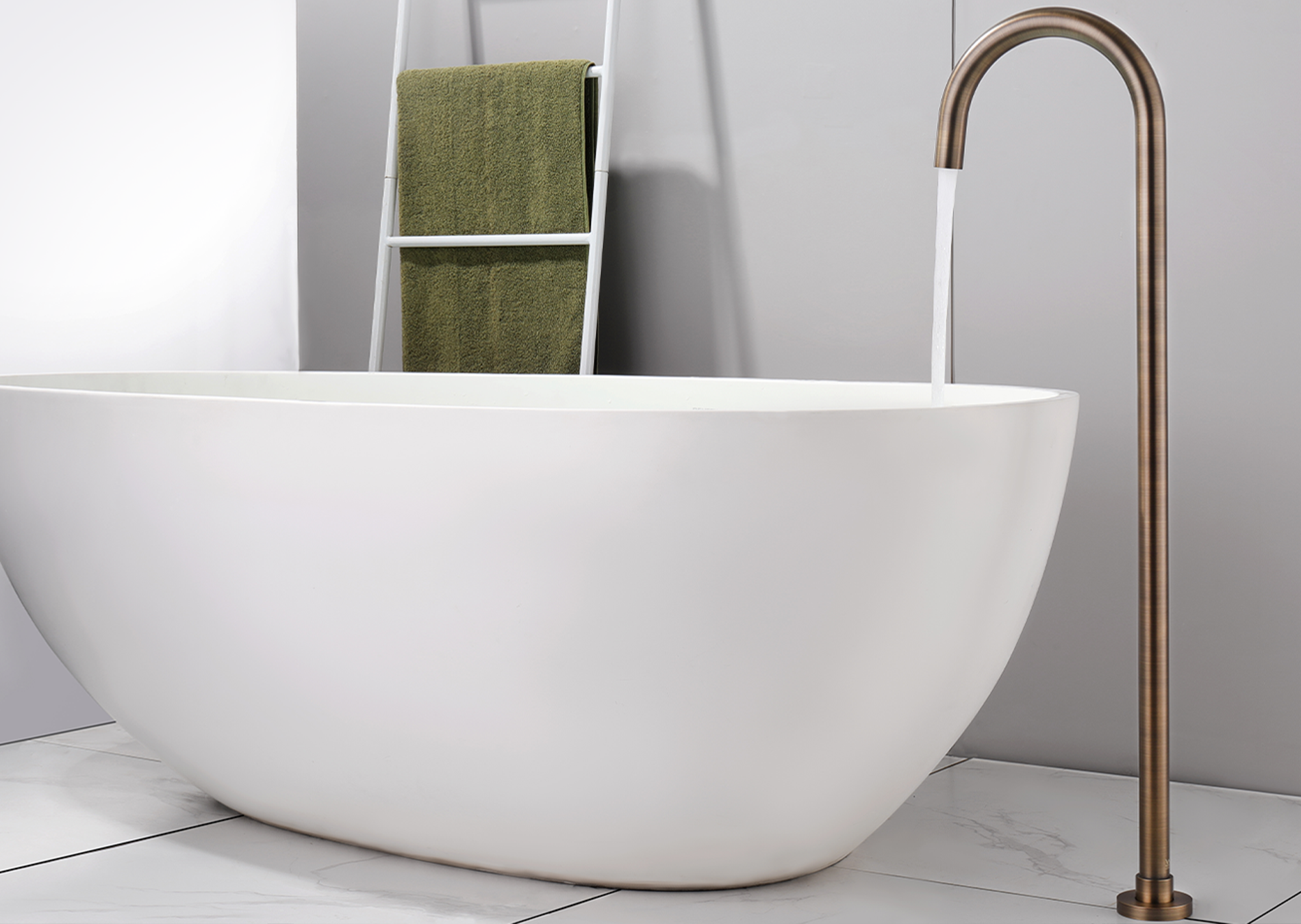
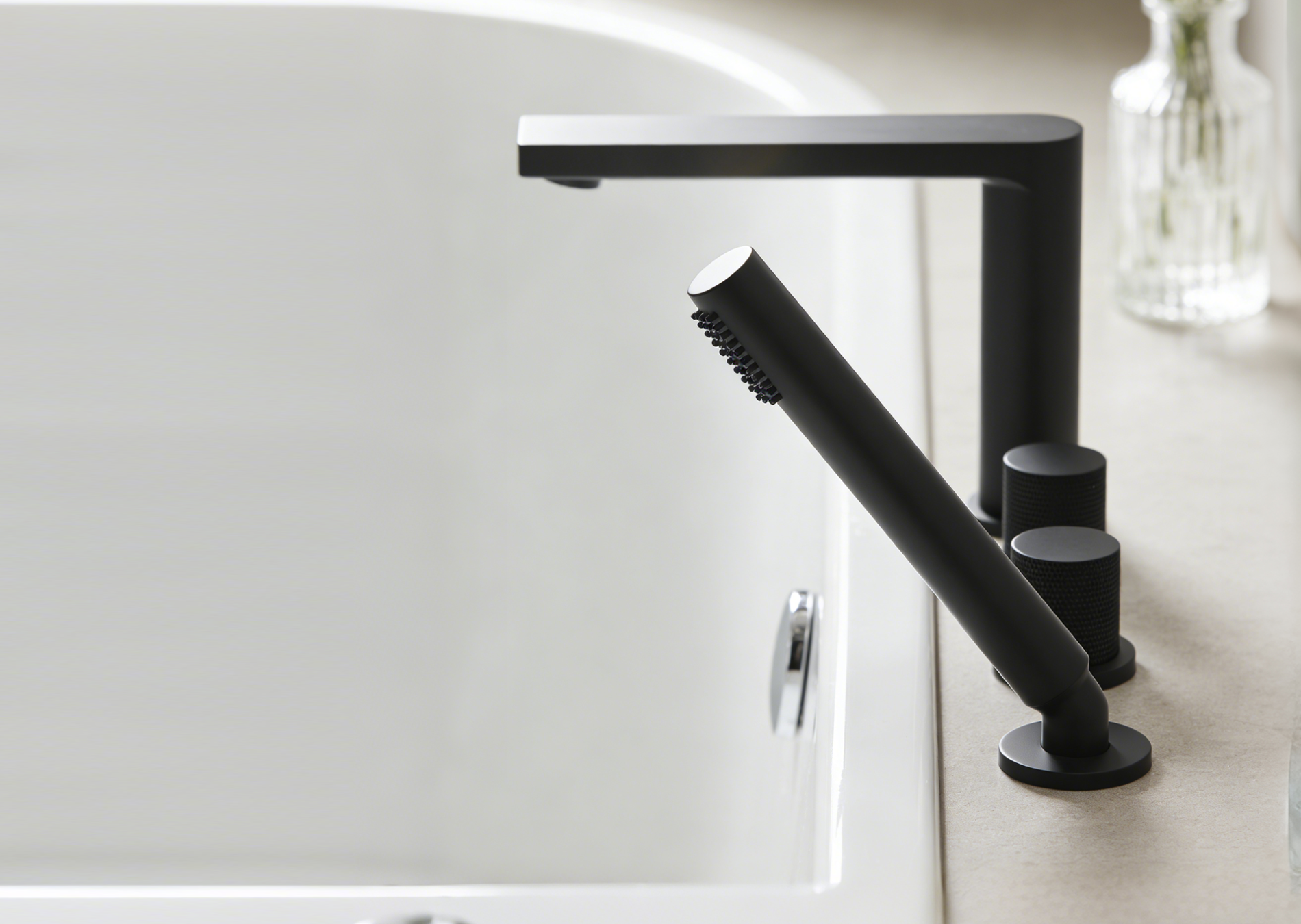
Hotel bathroom layouts vary significantly, requiring bathtub tap configurations that accommodate different installation scenarios and space constraints. Wall-mounted bathtub tap designs save deck space and create cleaner visual lines, while deck-mounted options provide easier access for maintenance and replacement activities. Freestanding bathtub installations require specialized bathtub tap designs with extended reach and floor-mounting capabilities that complement the fixture's aesthetic impact.
The bathtub tap spout reach and height must align with the specific bathtub dimensions and user requirements while maintaining proper clearances and operational comfort. Swivel spout features enhance functionality by allowing directional adjustment for optimal water delivery and user convenience. Additionally, the bathtub tap handle configuration should provide intuitive operation for guests unfamiliar with the specific fixture design, reducing confusion and support requests.
Maintenance and Service Requirements
Accessibility for Routine Maintenance
Hotel maintenance teams require easy access to bathtub tap components for routine cleaning, adjustment, and minor repairs without extensive bathroom disruption. Cartridge-based bathtub tap designs enable quick component replacement using standard tools, minimizing service time and guest inconvenience. Clear access to shut-off valves and connection points facilitates emergency repairs and prevents water damage during maintenance activities.
The bathtub tap design should incorporate removable aerators and flow restrictors that maintenance staff can clean or replace without specialized knowledge or equipment. Standardized component specifications enable bulk purchasing of replacement parts and simplify inventory management across multiple hotel properties. Additionally, comprehensive installation and service documentation supports consistent maintenance practices and troubleshooting procedures.
Long-term Serviceability and Parts Availability
Commercial bathtub tap installations require long-term parts availability and manufacturer support to maintain operational efficiency throughout the fixture's service life. Established manufacturers with extensive distribution networks provide reliable access to replacement components and technical support resources. The bathtub tap should utilize industry-standard connections and components that remain available even if the original manufacturer discontinues the specific model.
Modular bathtub tap designs enable selective component replacement without complete fixture removal, reducing repair costs and minimizing guest disruption during maintenance activities. Quality manufacturers provide extended warranty coverage and service support programs specifically designed for commercial applications. These resources help hotel operators maintain consistent bathtub tap performance while controlling long-term maintenance and replacement expenses.
Compliance and Safety Standards
Plumbing Code and Certification Requirements
Hotel bathtub tap installations must comply with local plumbing codes and commercial building standards that govern flow rates, backflow prevention, and material specifications. NSF International certification ensures the bathtub tap meets health and safety standards for potable water contact, while ASME compliance verifies proper engineering and construction quality. These certifications provide legal protection and operational assurance for hotel operators and insurance providers.
Low-lead compliance requirements restrict the lead content in bathtub tap components that contact drinking water, ensuring guest safety and regulatory compliance. California Proposition 65 and federal Safe Drinking Water Act regulations establish specific standards that commercial bathtub tap installations must meet. Additionally, state and local authorities may impose additional requirements that affect bathtub tap selection and installation procedures.
Anti-Scald Protection and Temperature Control
Guest safety concerns require bathtub tap designs with integrated temperature control and anti-scald protection features that prevent injury from excessive water temperatures. Pressure-balancing valves maintain consistent temperature despite pressure fluctuations in hot and cold water supply lines. Thermostatic mixing capabilities provide precise temperature control that enhances user comfort while preventing dangerous temperature spikes.
The bathtub tap should incorporate temperature limiting features that prevent access to dangerous water temperatures regardless of user adjustment attempts. Clear temperature indicators and intuitive controls help guests operate the bathtub tap safely without extensive instruction or supervision. These safety features reduce hotel liability exposure while providing peace of mind for guests and operators alike.
FAQ
What is the average lifespan of a commercial-grade bathtub tap in hotel applications?
A quality commercial-grade bathtub tap typically lasts 8-12 years in hotel applications with proper maintenance, significantly longer than residential models due to superior construction and materials. Factors affecting lifespan include water quality, usage frequency, maintenance practices, and initial build quality. Regular maintenance and timely component replacement can extend operational life beyond average expectations.
How do I determine the correct water pressure requirements for hotel bathtub taps?
Consult with a qualified plumbing engineer to assess your specific system pressure characteristics, including static pressure, dynamic pressure during peak usage, and pressure variations across different floors or zones. Most commercial bathtub taps operate effectively within 20-80 PSI ranges, but your specific installation may require pressure-regulating devices or specialized low-pressure models depending on system conditions.
What maintenance schedule should hotels follow for bathtub tap care?
Implement monthly cleaning and inspection routines including aerator cleaning, handle operation testing, and leak detection. Quarterly maintenance should include cartridge inspection and lubrication of moving parts. Annual professional inspection and component replacement as needed helps prevent major failures and extends bathtub tap service life while maintaining optimal performance standards.
Are there specific certifications required for hotel bathtub tap installations?
Yes, hotel bathtub taps must meet NSF/ANSI 61 certification for potable water contact, ASME A112.18.1 standards for plumbing fixtures, and local building code requirements. Additional certifications may include ADA compliance for accessibility, low-lead content verification, and specific state or municipal requirements. Always verify current local requirements before specifying or purchasing bathtub tap fixtures for hotel installations.
Table of Contents
- Durability and Build Quality Requirements
- Water Pressure and Flow Performance
- Design Integration and Aesthetic Considerations
- Maintenance and Service Requirements
- Compliance and Safety Standards
-
FAQ
- What is the average lifespan of a commercial-grade bathtub tap in hotel applications?
- How do I determine the correct water pressure requirements for hotel bathtub taps?
- What maintenance schedule should hotels follow for bathtub tap care?
- Are there specific certifications required for hotel bathtub tap installations?