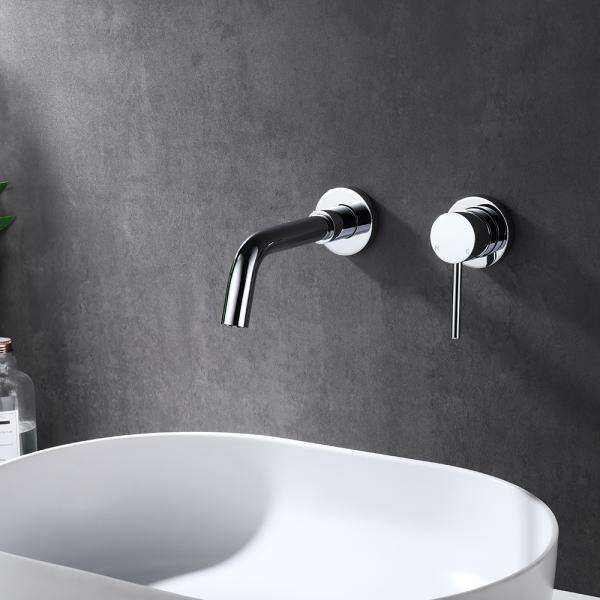
eco bathroom manufacturer
An eco bathroom manufacturer represents a specialized company dedicated to creating environmentally responsible bathroom fixtures, fittings, and accessories that minimize environmental impact while maximizing functionality and aesthetic appeal. These manufacturers focus on developing sustainable solutions that address growing consumer demand for green building materials and water-efficient products. The core functions of an eco bathroom manufacturer encompass designing, producing, and distributing bathroom products that incorporate recycled materials, renewable resources, and energy-efficient technologies. Their product lines typically include low-flow toilets, water-saving showerheads, sustainable vanities made from bamboo or reclaimed wood, eco-friendly tiles crafted from recycled glass or ceramic, and non-toxic sealants and finishes. Technological features that distinguish these manufacturers include advanced water filtration systems, smart sensors that regulate water flow, dual-flush toilet mechanisms that reduce water consumption by up to 60 percent, and innovative materials like bio-based composites that offer durability without compromising environmental integrity. Many eco bathroom manufacturer facilities also implement closed-loop manufacturing processes that recycle production waste and utilize renewable energy sources. Applications of these sustainable bathroom products span residential homes, commercial buildings, hospitality establishments, healthcare facilities, and educational institutions where environmental consciousness and operational efficiency are priorities. The eco bathroom manufacturer industry serves architects, interior designers, contractors, and environmentally aware consumers who seek to reduce their carbon footprint while maintaining high standards of comfort and style. These manufacturers often obtain certifications from organizations like LEED, WaterSense, and GREENGUARD to validate their environmental claims and provide customers with confidence in their purchasing decisions. Market applications continue expanding as building codes increasingly favor sustainable construction practices and consumers become more educated about environmental benefits.
 EN
EN