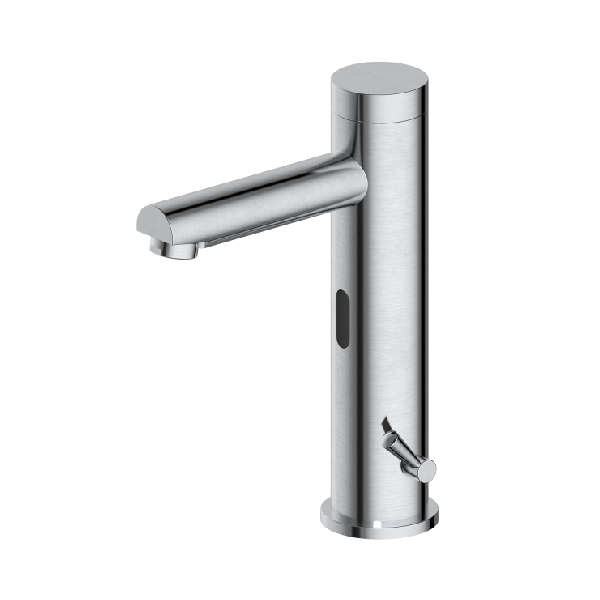
Advanced Infrared Sensor Technology
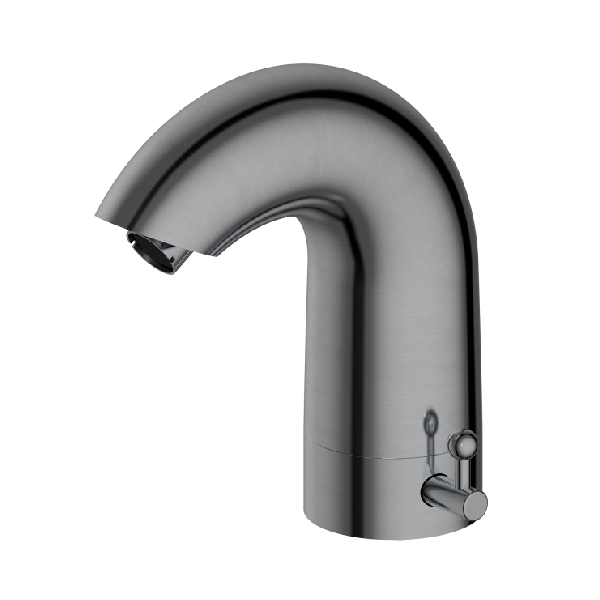
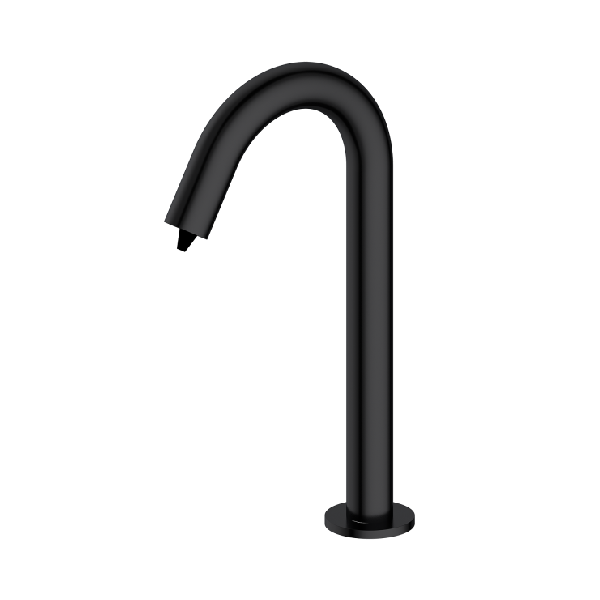
The heart of every sensor basin tap lies in its sophisticated infrared detection system, which represents the pinnacle of touchless faucet innovation. This advanced technology utilizes multiple infrared beams that create an invisible detection field around the faucet spout, ensuring accurate activation regardless of ambient lighting conditions or environmental factors. The sensor basin tap incorporates dual-beam configurations that prevent false activations while maintaining exceptional sensitivity to legitimate user interactions. These sensors operate on specific infrared wavelengths that distinguish between human hands and other objects, reducing unnecessary water activation from cleaning cloths or nearby movements. The detection range is fully adjustable, typically spanning from two to eight inches from the spout, allowing customization based on sink dimensions and user preferences. Advanced sensor basin tap models include learning algorithms that adapt to usage patterns over time, optimizing response times and reducing power consumption through intelligent standby modes. The infrared sensors maintain consistent performance across temperature variations, humidity changes, and extended operational periods without calibration requirements. Signal processing technology filters out electrical interference from nearby devices while maintaining rapid response times measured in milliseconds. This ensures that water begins flowing almost instantaneously when hands are detected, creating a seamless user experience that rivals or exceeds manual faucet responsiveness. The sensor housing is typically constructed from durable materials that protect sensitive electronic components from water damage, cleaning chemicals, and physical impacts commonly encountered in bathroom and kitchen environments. Maintenance of the infrared sensor system requires minimal effort, with most sensor basin tap models featuring self-diagnostic capabilities that alert users to potential issues before they affect performance. The sensors automatically compensate for minor obstructions or surface contamination, though periodic cleaning with standard glass cleaners maintains optimal detection accuracy. Power efficiency remains a cornerstone of sensor basin tap infrared technology, with modern systems consuming minimal electricity during standby operation while maintaining continuous monitoring capabilities. Battery-powered sensor basin tap models often provide years of operation on single battery sets, while hardwired versions consume less power than typical LED light bulbs during normal usage patterns.
 EN
EN