Ergonomic Design and User-Friendly Operation
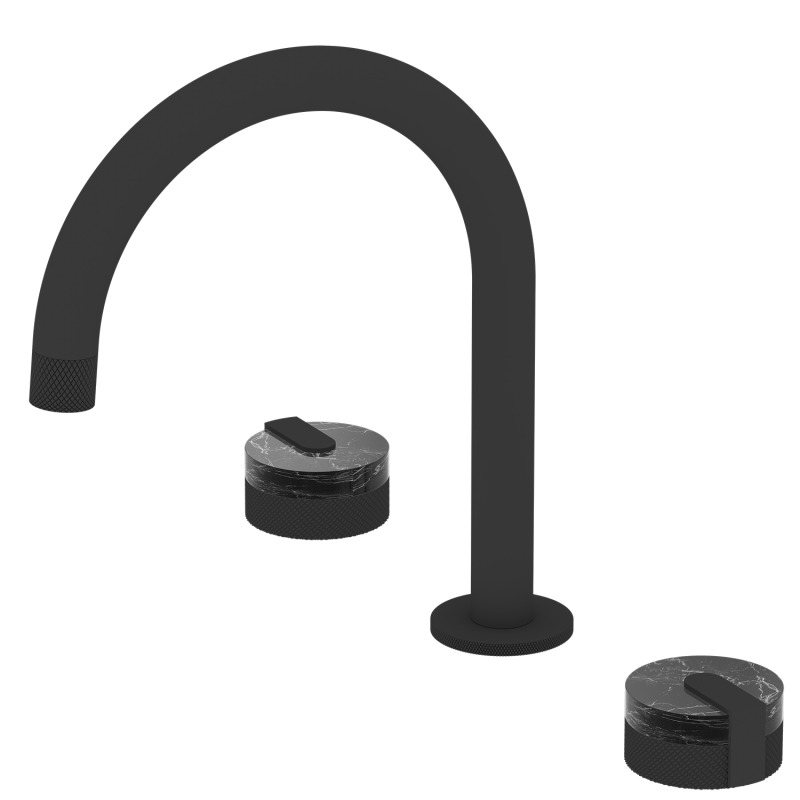
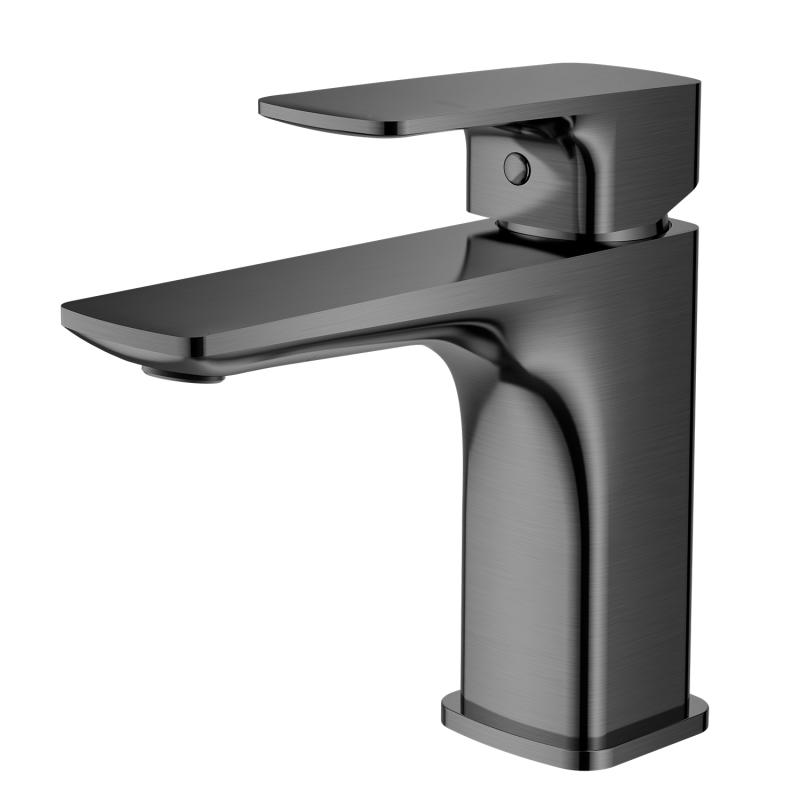
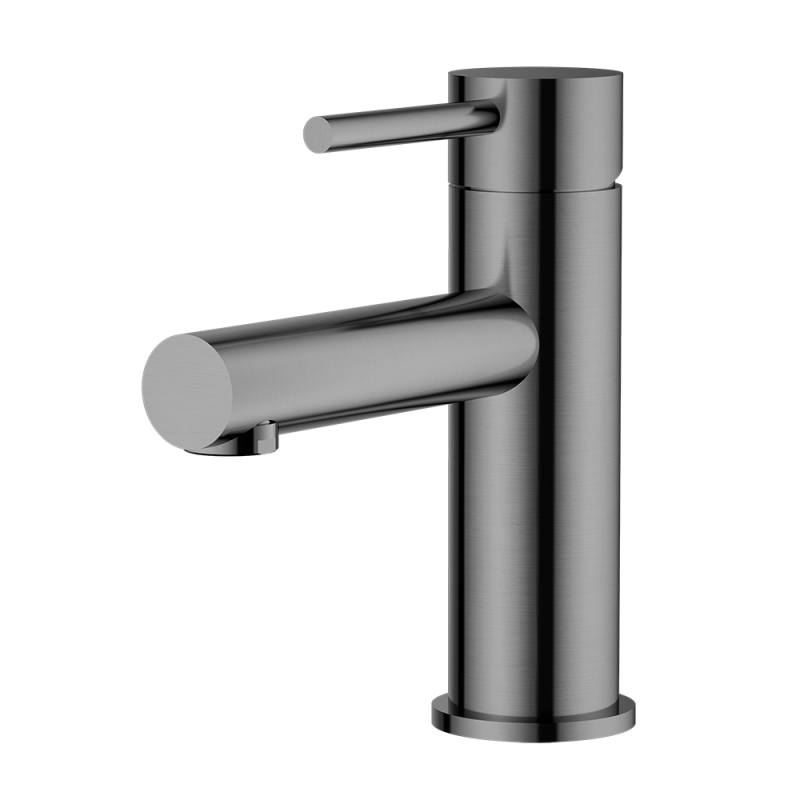
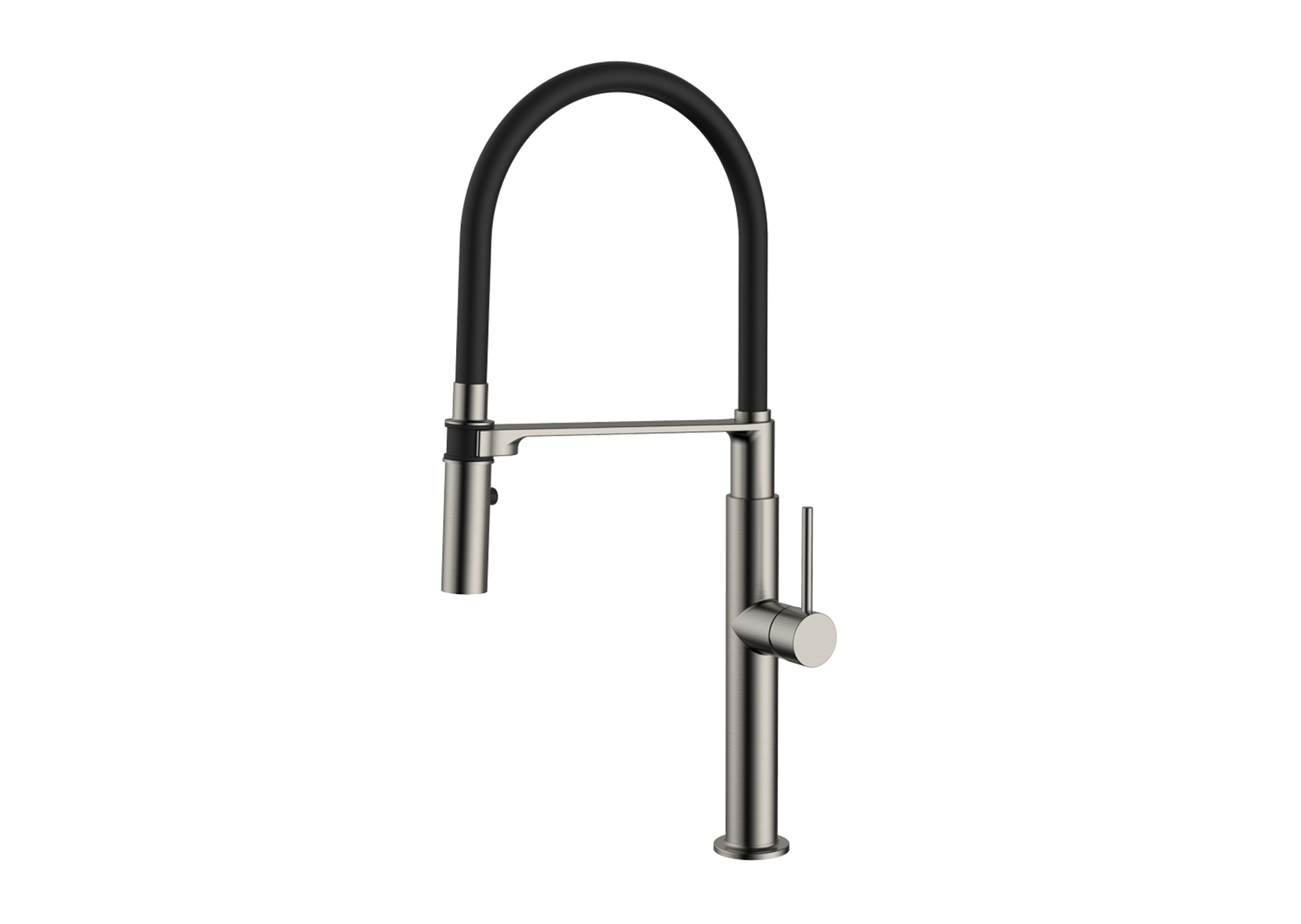
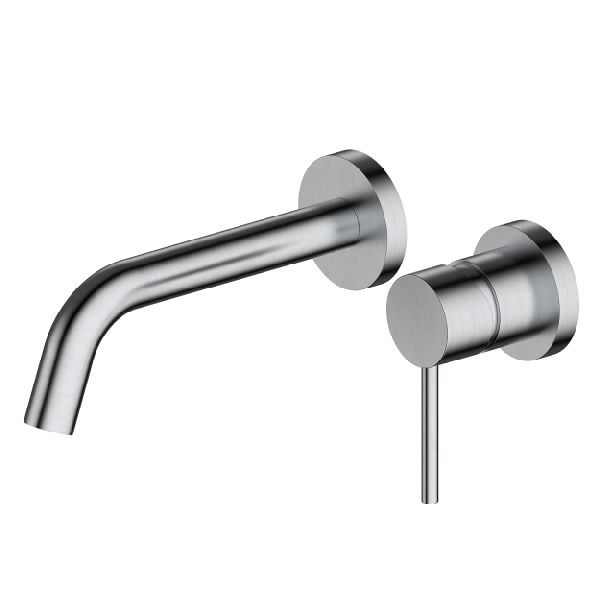
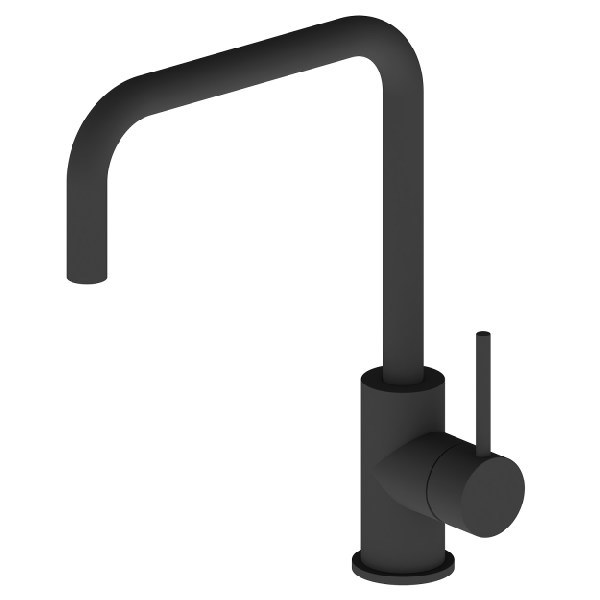
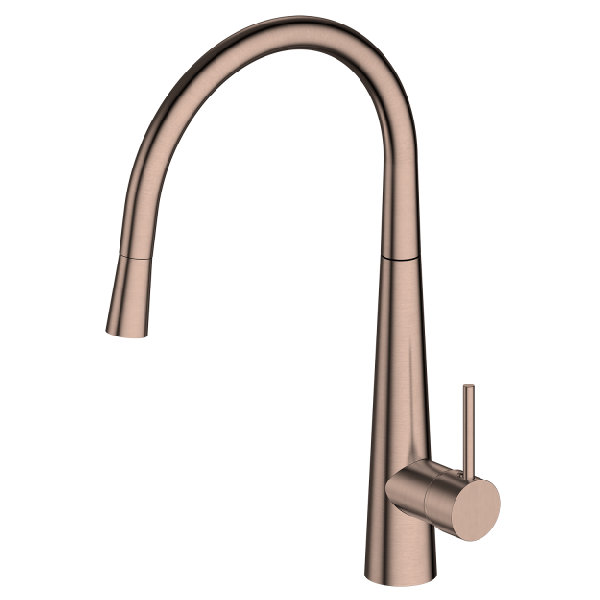
The ergonomic design philosophy behind modern single sink faucet development prioritizes user comfort, accessibility, and operational efficiency to create fixtures that accommodate diverse physical abilities and usage requirements. Contemporary single sink faucet models feature carefully sculpted handles and spouts that reduce strain on wrists, hands, and arms during extended use periods, making them particularly beneficial for commercial kitchens, healthcare facilities, and residential applications where frequent operation is necessary. The handle design in premium single sink faucet models incorporates lever-style mechanisms that require minimal force to operate, allowing users with arthritis, limited grip strength, or mobility challenges to control water flow effortlessly. These handles often feature textured surfaces or ergonomic grips that provide secure control even when hands are wet or soapy, reducing the risk of slippage and potential injury. The positioning and angle of handles receive careful consideration to ensure natural hand and wrist alignment during operation, minimizing repetitive stress injuries that can develop from frequent single sink faucet usage. Spout design represents another critical ergonomic consideration in single sink faucet engineering, with modern models featuring optimal height, reach, and swivel capabilities that accommodate various sink configurations and user heights. Pull-out and pull-down spray functionality enhances the ergonomic benefits by allowing users to direct water precisely where needed without awkward positioning or stretching. The retraction mechanisms in quality single sink faucet models operate smoothly and lock securely in place, preventing user fatigue during extended cleaning sessions. Touchless operation technology eliminates the need for physical contact with the single sink faucet entirely, reducing strain and improving hygiene simultaneously. Motion sensors detect hand or object placement beneath the spout and activate water flow automatically, allowing users to maintain natural body positioning while performing tasks. Advanced sensor systems can distinguish between intentional activation and incidental movement, preventing wasteful accidental activation while ensuring reliable response to legitimate usage attempts. The ergonomic benefits extend beyond basic operation to include maintenance and cleaning considerations, as well-designed single sink faucet models feature smooth surfaces and accessible components that simplify routine care procedures. This thoughtful approach to ergonomic design ensures that the single sink faucet remains comfortable and efficient throughout its operational lifespan while accommodating the diverse needs of all potential users.
 EN
EN