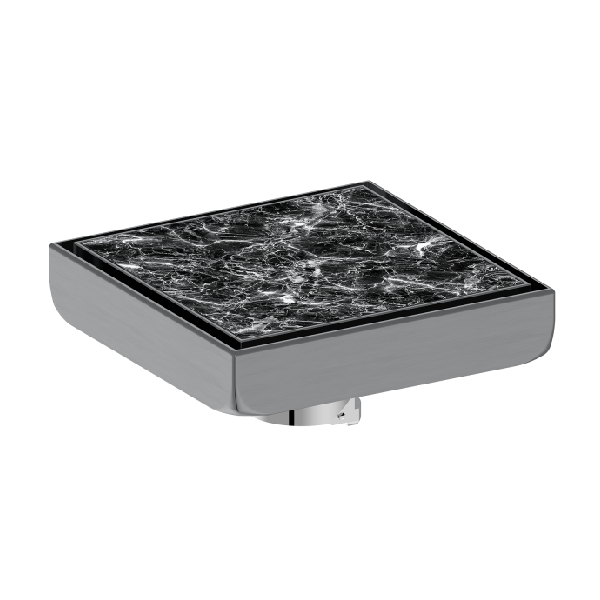
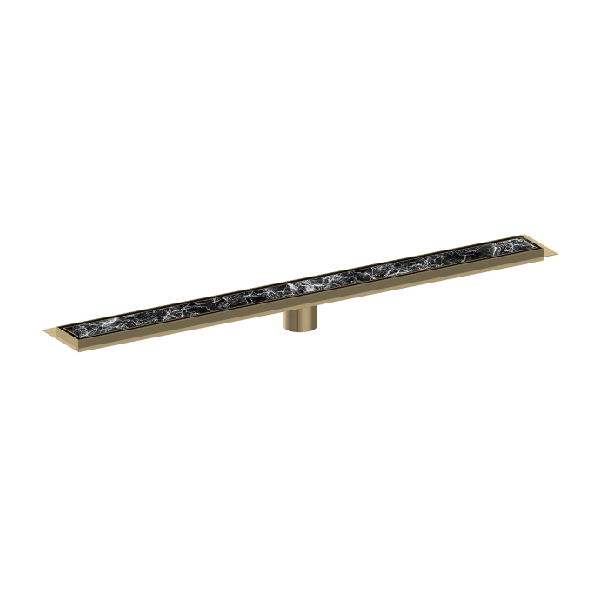
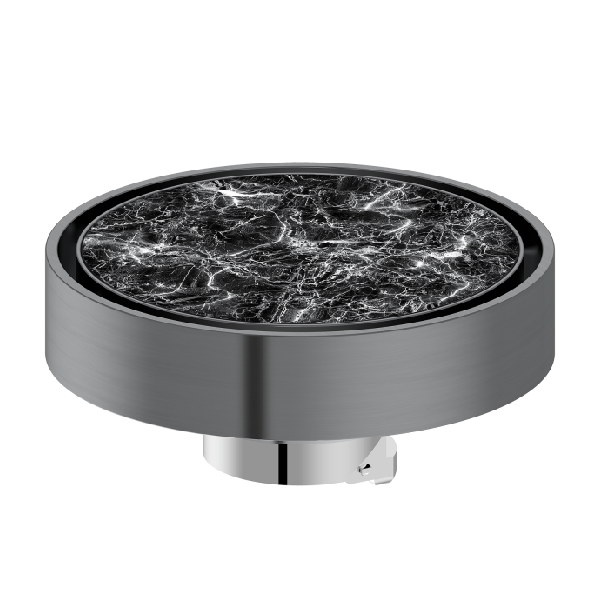
tile floor drain
A tile floor drain represents an essential drainage solution designed specifically for tiled surfaces in residential and commercial environments. This specialized drainage system integrates seamlessly with ceramic, porcelain, and natural stone tiles to provide efficient water management while maintaining aesthetic appeal. The tile floor drain functions as a critical component in wet areas such as bathrooms, kitchens, laundry rooms, and commercial spaces where water accumulation poses potential problems. The primary function of a tile floor drain centers on preventing water pooling by channeling liquid waste toward the main drainage infrastructure. Modern tile floor drain systems incorporate advanced engineering principles to ensure optimal water flow rates while preventing backflow and odor infiltration. These drainage solutions feature precisely calculated gradients that promote natural water movement without creating unsightly slopes in the finished floor surface. The technological features of contemporary tile floor drain systems include corrosion-resistant materials, typically stainless steel or high-grade polymers, ensuring longevity in moisture-rich environments. Many models incorporate removable grates for easy maintenance and cleaning, while advanced designs feature built-in traps that prevent sewer gases from entering living spaces. The installation process involves careful coordination with tile placement to achieve proper slope calculations and waterproofing integration. Applications for tile floor drain systems span numerous sectors, from residential shower installations to large-scale commercial kitchen facilities. Healthcare facilities rely on these drainage solutions to maintain sanitary conditions, while hospitality venues utilize them in pool areas and spa facilities. Industrial applications include food processing facilities where hygiene standards demand efficient drainage capabilities. The versatility of tile floor drain systems allows for customization based on specific environmental requirements, load-bearing specifications, and aesthetic preferences, making them indispensable components in modern construction projects.
 EN
EN