 EN
EN

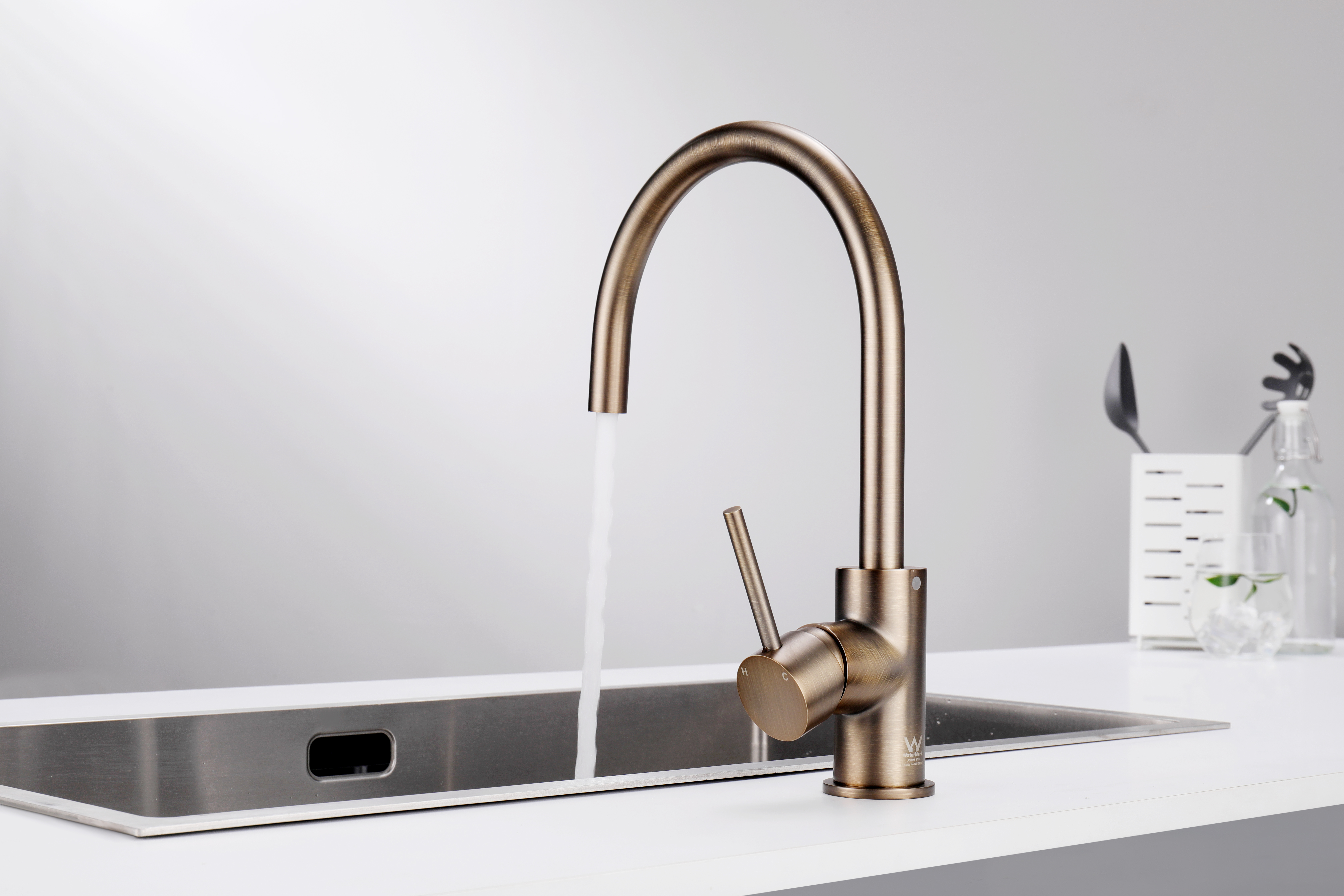
Selecting the right OEM kitchen faucet manufacturers can make or break your brand's success in the competitive kitchen fixtures market. The decision involves evaluating manufacturing capabilities, quality standards, customization options, and long-term partnership potential. With countless manufacturers claiming expertise in kitchen faucet production, brands need a systematic approach to identify partners who can deliver consistent quality while meeting specific design requirements and budget constraints.
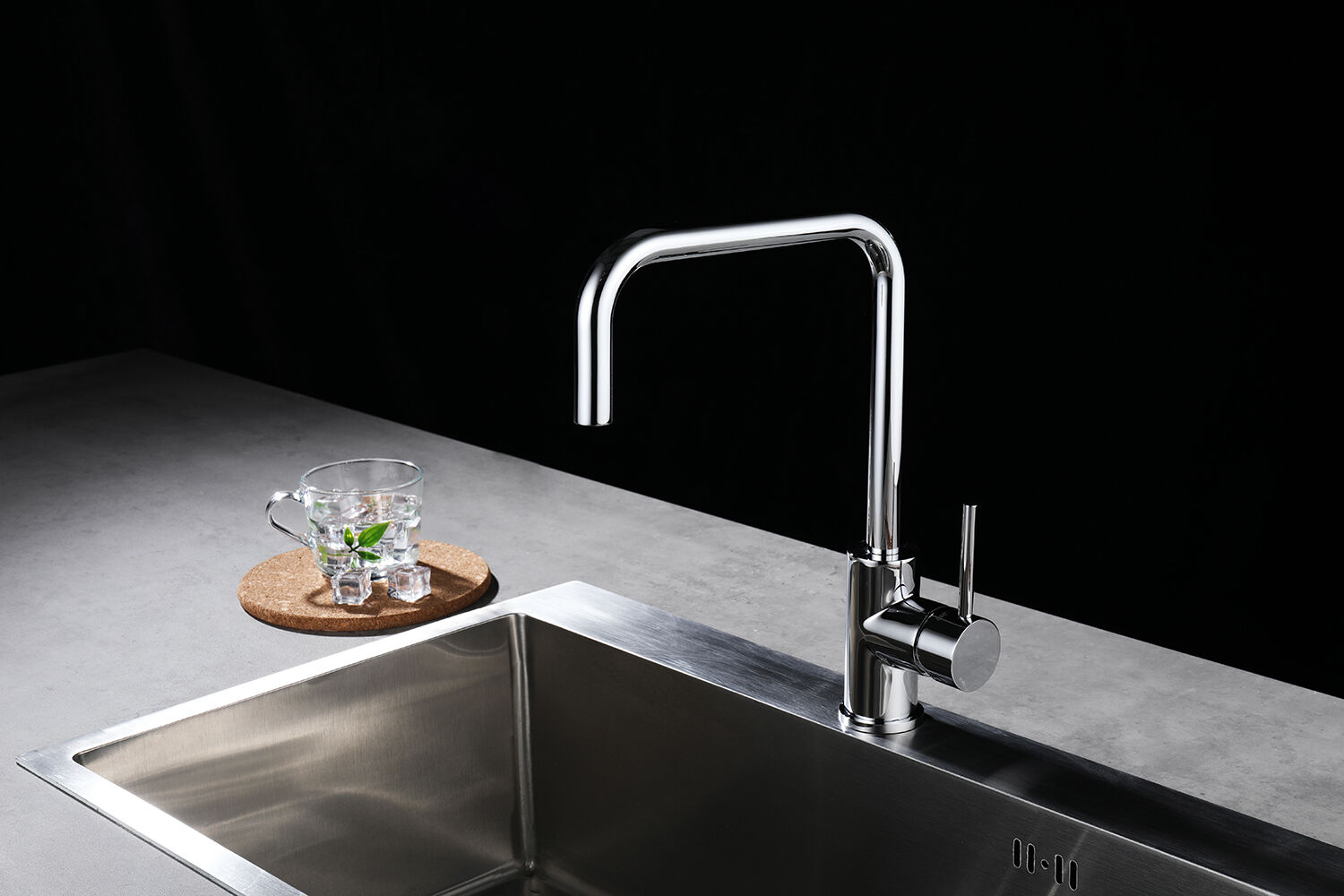
The process of choosing OEM kitchen faucet manufacturers requires careful evaluation of multiple factors beyond just price points. Successful brands understand that the manufacturer selection directly impacts product quality, market positioning, customer satisfaction, and ultimately, business profitability. This comprehensive guide provides the framework needed to make informed decisions when partnering with kitchen faucet manufacturers for private label production.
Understanding Manufacturing Capabilities and Capacity
Production Volume Assessment
Evaluating the production capacity of OEM kitchen faucet manufacturers begins with understanding their current output levels and scalability potential. Manufacturers should demonstrate the ability to handle your initial order quantities while maintaining flexibility for future growth. Review their facility size, number of production lines, and daily output capabilities to ensure alignment with your business projections. Ask for detailed production schedules and lead times to understand how they manage multiple client orders simultaneously.
Manufacturing capacity also involves seasonal flexibility and peak demand handling. Kitchen faucet demand often fluctuates based on construction cycles and home renovation trends. Reliable OEM kitchen faucet manufacturers maintain buffer capacity or have established protocols for scaling production during high-demand periods. Request information about their capacity utilization rates and how they prioritize orders during busy seasons to avoid potential supply chain disruptions.
Consider the manufacturer's geographic distribution and multiple facility operations. Some established OEM kitchen faucet manufacturers operate multiple production sites, providing redundancy and risk mitigation. This setup offers advantages in terms of supply chain resilience, regional market access, and the ability to maintain production continuity during unforeseen circumstances such as natural disasters or equipment failures.
Technical Manufacturing Expertise
The technical expertise of OEM kitchen faucet manufacturers encompasses material processing, precision machining, surface finishing, and assembly operations. Evaluate their capabilities in working with various materials including brass, stainless steel, zinc alloys, and composite materials. Advanced manufacturers should demonstrate proficiency in casting, forging, CNC machining, and specialized finishing techniques such as PVD coating, electroplating, and powder coating applications.
Manufacturing technology adoption reflects the manufacturer's commitment to quality and efficiency. Modern OEM kitchen faucet manufacturers invest in automated production equipment, robotic assembly systems, and computerized quality control processes. These technologies ensure consistent product quality, reduce manufacturing defects, and enable cost-effective production at scale. Request facility tours or detailed equipment specifications to assess their technological capabilities and modernization investments.
Specialized manufacturing processes for kitchen faucets require specific expertise in valve mechanisms, cartridge assembly, aerator integration, and pressure testing procedures. Experienced manufacturers understand the complexities of water flow dynamics, temperature control mechanisms, and durability testing requirements. They should demonstrate knowledge of various faucet technologies including single-handle mixers, dual-handle configurations, pull-out sprayers, and touchless activation systems.
Quality Standards and Certification Requirements
Industry Compliance and Certifications
Quality certifications serve as fundamental indicators when selecting OEM kitchen faucet manufacturers for your brand partnership. Manufacturers should maintain relevant certifications such as ISO 9001 for quality management systems, NSF/ANSI standards for drinking water safety, and regional compliance certifications like CUPC, WRAS, or CE marking depending on your target markets. These certifications demonstrate commitment to standardized quality processes and regulatory compliance across different jurisdictions.
Environmental and sustainability certifications increasingly influence manufacturer selection decisions. Look for OEM kitchen faucet manufacturers with ISO 14001 environmental management certification, GREENGUARD compliance for low chemical emissions, and water efficiency certifications like WaterSense or similar regional programs. These credentials align with growing consumer awareness of environmental responsibility and can enhance your brand positioning in eco-conscious market segments.
Third-party testing and validation provide additional quality assurance beyond manufacturer claims. Reputable OEM kitchen faucet manufacturers engage independent testing laboratories for product validation, performance verification, and compliance testing. They should provide detailed test reports covering durability cycles, flow rate accuracy, temperature stability, and material composition analysis. This documentation supports quality claims and provides confidence in product performance specifications.
Quality Control Processes
Comprehensive quality control systems distinguish professional OEM kitchen faucet manufacturers from basic production facilities. Effective manufacturers implement multi-stage inspection processes including incoming material verification, in-process quality checks, and final product testing. Each manufacturing stage should include documented quality control points with clear acceptance criteria and corrective action procedures for non-conforming products.
Statistical process control and quality metrics tracking enable consistent quality improvement and problem prevention. Advanced OEM kitchen faucet manufacturers utilize quality management software to track defect rates, analyze quality trends, and implement preventive measures. They should provide regular quality reports including defect analysis, corrective actions taken, and quality improvement initiatives implemented to enhance product reliability and customer satisfaction.
Traceability systems support quality accountability and enable rapid response to quality issues. Manufacturers should maintain detailed records linking raw materials, production batches, and finished products through comprehensive tracking systems. This capability proves essential for quality investigations, product recalls if necessary, and continuous improvement initiatives based on field performance data and customer feedback.
Customization and Design Development Services
Design Flexibility and Innovation Capability
The ability to customize products according to brand specifications distinguishes capable OEM kitchen faucet manufacturers from basic production suppliers. Evaluate their design modification capabilities including handle styles, spout configurations, finish options, and functional features. Manufacturers should demonstrate experience in developing unique product variants that align with specific brand aesthetics and market positioning requirements while maintaining functional integrity and manufacturing feasibility.
Innovation support services include new product development assistance, design optimization, and technology integration capabilities. Leading OEM kitchen faucet manufacturers maintain in-house design teams that collaborate with clients on product development projects. They should offer design consultation services, 3D modeling capabilities, prototype development, and engineering analysis to support custom product creation and existing design improvements.
Intellectual property protection and design confidentiality represent critical considerations when sharing proprietary designs with manufacturers. Reputable OEM kitchen faucet manufacturers implement strict confidentiality protocols, secure design storage systems, and legal frameworks protecting client intellectual property. They should provide clear agreements covering design ownership, usage rights, and protection measures preventing unauthorized design reproduction or distribution.
Prototype Development and Testing
Prototype development capabilities enable design validation and market testing before full-scale production commitment. Professional OEM kitchen faucet manufacturers offer rapid prototyping services using various techniques including 3D printing, CNC machining, and small-batch production. These services allow brands to evaluate design concepts, test market acceptance, and refine products based on user feedback before investing in production tooling and inventory.
Comprehensive testing protocols during prototype development ensure product viability and performance validation. Manufacturers should conduct functionality testing, durability assessments, and performance verification using industry-standard test procedures. This includes cycle testing for handle operation, flow rate validation, temperature control accuracy, and finish durability assessment. Detailed test reports provide confidence in product specifications and support informed production decisions.
Iterative design improvement processes based on prototype testing results demonstrate manufacturer commitment to product excellence. Experienced OEM kitchen faucet manufacturers work collaboratively with clients to analyze test results, identify improvement opportunities, and implement design modifications efficiently. They should maintain flexibility for design changes and demonstrate problem-solving capabilities when addressing technical challenges discovered during testing phases.
Supply Chain Management and Logistics
Material Sourcing and Supplier Networks
Effective supply chain management directly impacts product quality, cost efficiency, and delivery reliability when working with OEM kitchen faucet manufacturers. Evaluate their supplier networks for critical components including brass forgings, valve cartridges, aerators, and surface finishing services. Established manufacturers maintain relationships with qualified suppliers who meet quality standards and provide consistent material supply to support uninterrupted production schedules.
Supply chain transparency and traceability enable better quality control and risk management throughout the manufacturing process. Professional OEM kitchen faucet manufacturers provide detailed information about their supplier base, material sources, and component specifications. They should maintain supplier audit programs, quality agreements, and performance monitoring systems ensuring consistent component quality and supply reliability across their entire supply network.
Geographic diversification and supply chain resilience protect against disruptions and ensure business continuity. Smart manufacturers avoid over-reliance on single suppliers or geographic regions by maintaining diverse supplier networks. This approach provides flexibility during supply shortages, natural disasters, or geopolitical disruptions while maintaining competitive cost structures through strategic supplier relationships and volume leveraging opportunities.
Logistics and Distribution Capabilities
Packaging and shipping capabilities significantly impact product protection, customer experience, and total landed costs when selecting OEM kitchen faucet manufacturers. Manufacturers should demonstrate expertise in protective packaging design, damage prevention techniques, and efficient shipping configurations. They should offer various packaging options including retail-ready packages, bulk shipping containers, and custom packaging solutions aligned with brand requirements and distribution channel needs.
International shipping experience and documentation management prove essential for brands serving global markets. Experienced OEM kitchen faucet manufacturers understand export procedures, customs documentation, and international shipping requirements across different countries and regions. They should provide complete documentation support including certificates of origin, material compliance declarations, and product specifications required for customs clearance and regulatory compliance.
Inventory management and fulfillment services can streamline operations and reduce working capital requirements for brand partners. Some manufacturers offer warehousing services, drop-shipping capabilities, and inventory management programs supporting just-in-time delivery schedules. These services prove particularly valuable for brands with limited warehouse facilities or those seeking to minimize inventory carrying costs while maintaining product availability.
FAQ
What minimum order quantities should I expect from OEM kitchen faucet manufacturers?
Most professional OEM kitchen faucet manufacturers require minimum order quantities ranging from 100 to 1,000 pieces per model, depending on the complexity and customization level. Standard models with minimal customization typically have lower minimums, while heavily customized designs may require higher quantities to justify tooling and setup costs. Discuss volume requirements early in negotiations and consider starting with smaller quantities for initial market testing before scaling to larger production runs.
How long does the typical product development process take with OEM manufacturers?
Product development timelines with OEM kitchen faucet manufacturers typically range from 30 to 90 days depending on customization complexity and testing requirements. Simple modifications like finish changes or handle variations may require 4-6 weeks, while completely new designs with custom tooling can take 8-12 weeks or longer. Factor in additional time for prototype development, testing, and potential design iterations when planning product launch schedules.
What quality guarantees and warranties do OEM manufacturers typically provide?
Reputable OEM kitchen faucet manufacturers typically offer product warranties ranging from 1 to 5 years covering manufacturing defects and material failures. They should also provide quality guarantees during production including defect rate commitments and replacement policies for non-conforming products. Review warranty terms carefully and ensure they align with the warranties you plan to offer your customers, as manufacturer support directly impacts your brand reputation and customer satisfaction.
How can I verify the manufacturing capabilities and quality claims of potential OEM partners?
Verify OEM kitchen faucet manufacturers through facility audits, reference checks with existing clients, and review of certification documents and test reports. Request detailed facility information, production capacity data, and quality system documentation. Consider hiring third-party auditing services for comprehensive capability assessment, especially for high-volume partnerships. Additionally, request samples of their existing products and conduct independent testing to validate quality claims and manufacturing standards.
Table of Contents
- Understanding Manufacturing Capabilities and Capacity
- Quality Standards and Certification Requirements
- Customization and Design Development Services
- Supply Chain Management and Logistics
-
FAQ
- What minimum order quantities should I expect from OEM kitchen faucet manufacturers?
- How long does the typical product development process take with OEM manufacturers?
- What quality guarantees and warranties do OEM manufacturers typically provide?
- How can I verify the manufacturing capabilities and quality claims of potential OEM partners?