Ergonomic Single-Handle Design for Maximum Convenience
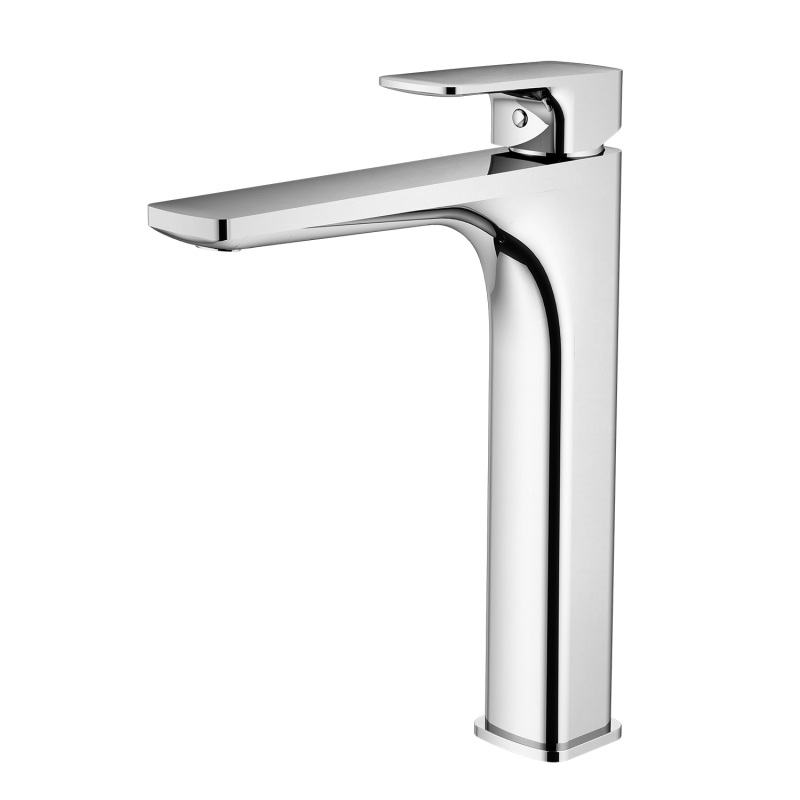
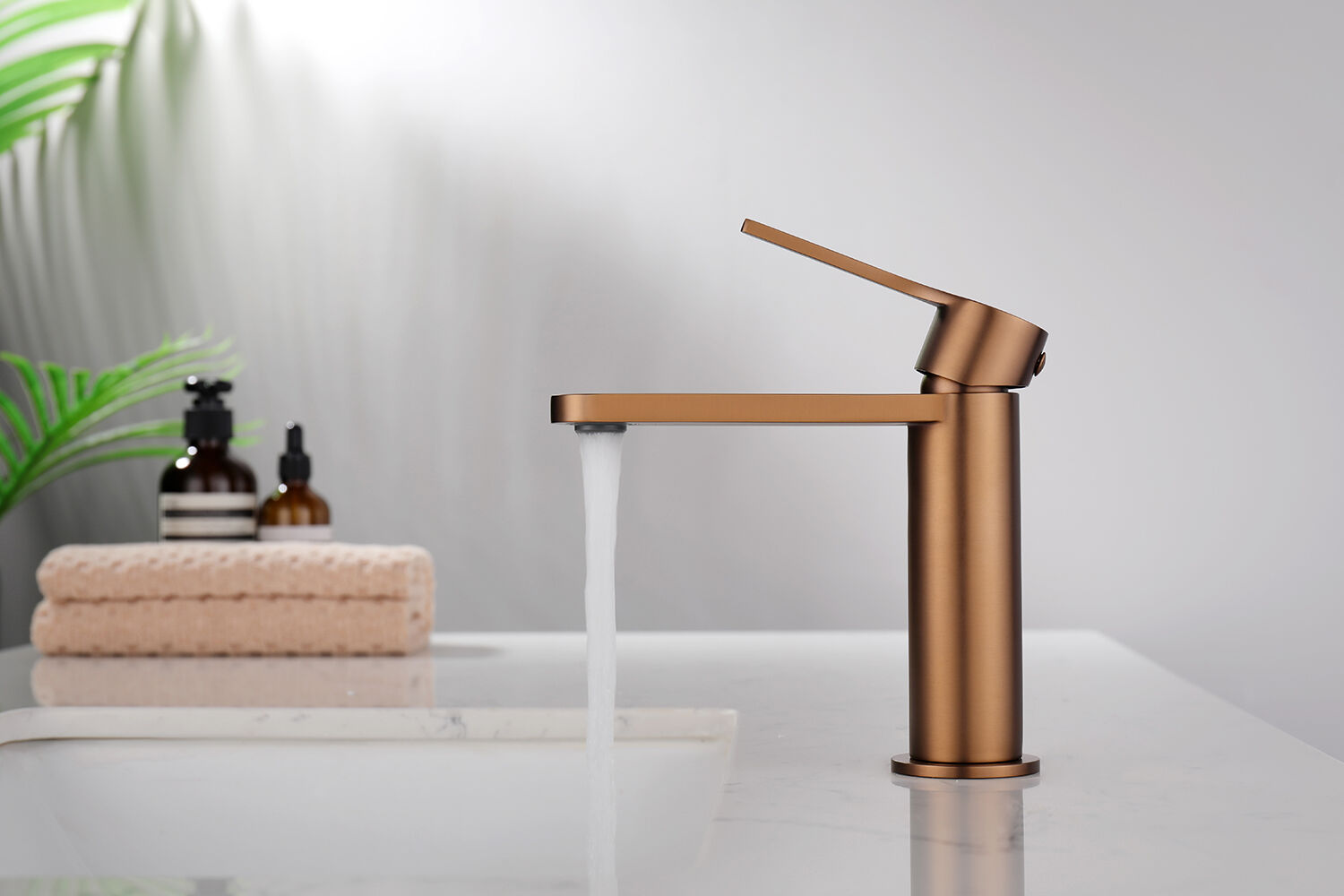
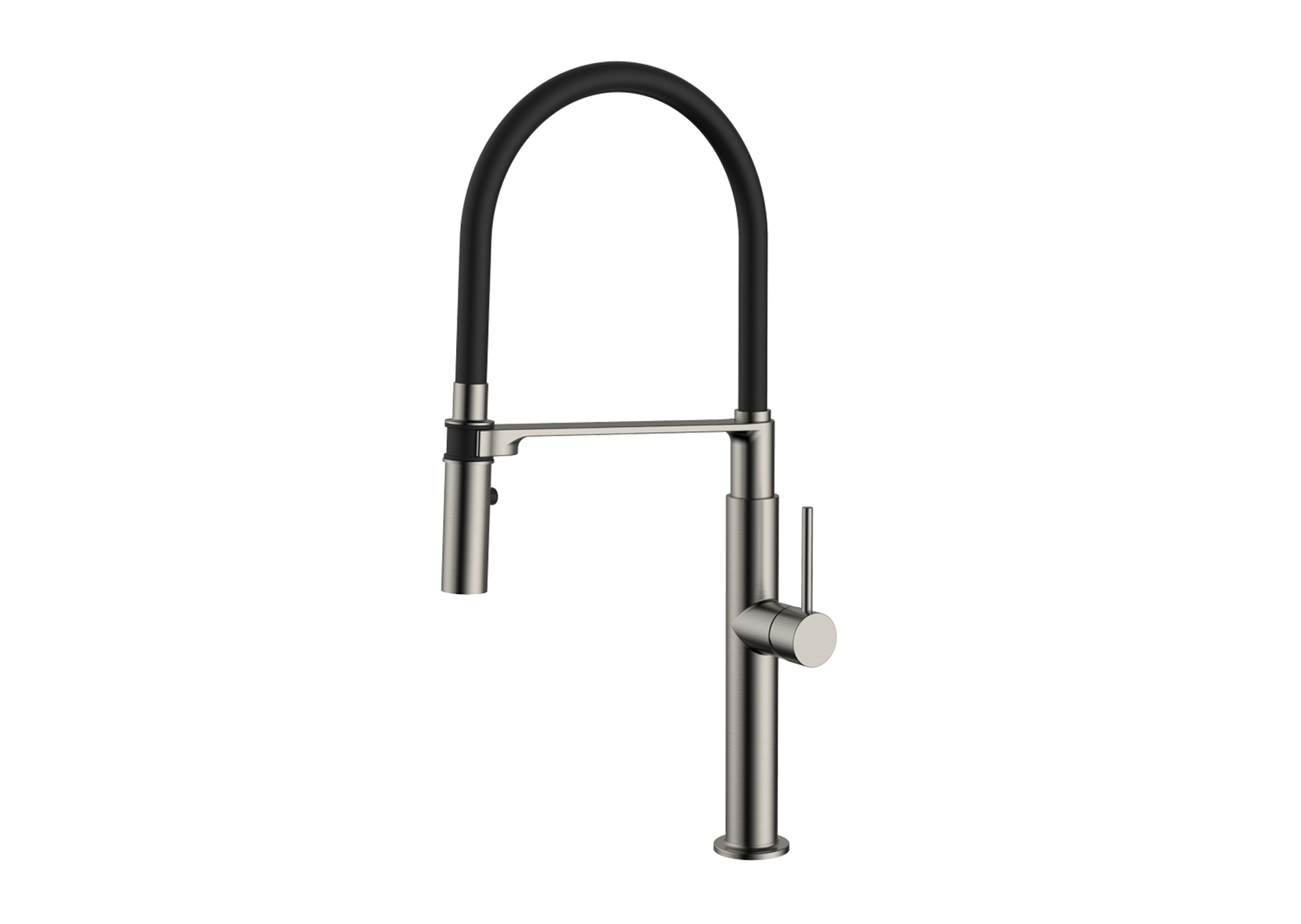
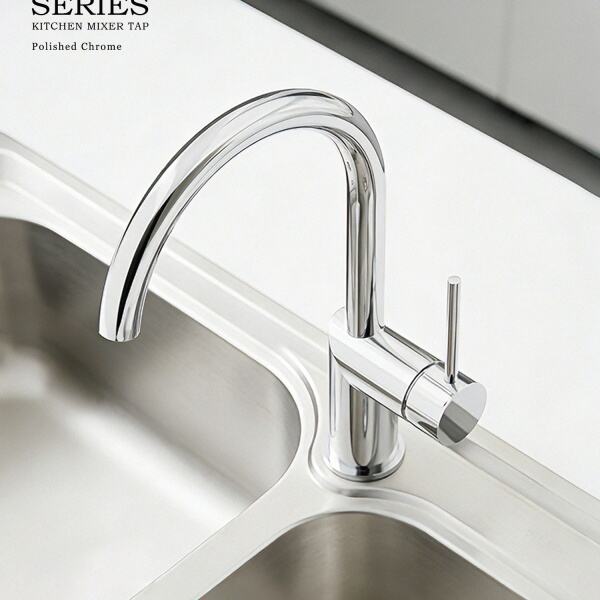
The ergonomic single-handle design of monobloc kitchen taps revolutionizes kitchen workflow by providing intuitive, one-handed operation that accommodates the demanding nature of modern cooking and cleaning tasks. This thoughtful design approach recognizes that kitchen work often requires users to have one hand occupied while needing to control water flow and temperature with the other, making the single-handle operation an essential practical feature rather than merely a aesthetic choice. The handle positioning and movement patterns are carefully engineered to follow natural hand and wrist motions, reducing strain and fatigue during extended use periods. Forward and backward motion typically controls flow rate, while side-to-side movement adjusts temperature, creating an intuitive control system that users can master quickly without conscious thought. This intuitive operation becomes particularly valuable during busy cooking sessions when quick, precise water control is essential for tasks like filling pots, rinsing ingredients, or cleaning utensils without interrupting the cooking process. The ergonomic benefits extend to users with arthritis, limited mobility, or other physical challenges, as the single-handle design requires less dexterity and hand strength compared to traditional dual-handle systems. The lever-style handles commonly found on monobloc kitchen taps can be operated with a wrist or forearm motion when hand grip is limited, ensuring accessibility for all family members regardless of physical capabilities. The handle design also considers hygiene factors, allowing users to operate the tap with the back of their hand or wrist when hands are dirty from food preparation, preventing contamination of the handle surface. Many monobloc kitchen taps feature handles with textured surfaces or ergonomic contours that provide secure grip even when hands are wet or soapy, preventing slippage during operation. The single-handle design eliminates the confusion of remembering which handle controls hot or cold water, reducing the risk of accidental scalding while speeding up daily tasks. The smooth, predictable operation creates muscle memory that allows users to achieve desired water conditions quickly and consistently, contributing to more efficient kitchen workflows and enhanced user satisfaction with their fixture investment.
 EN
EN