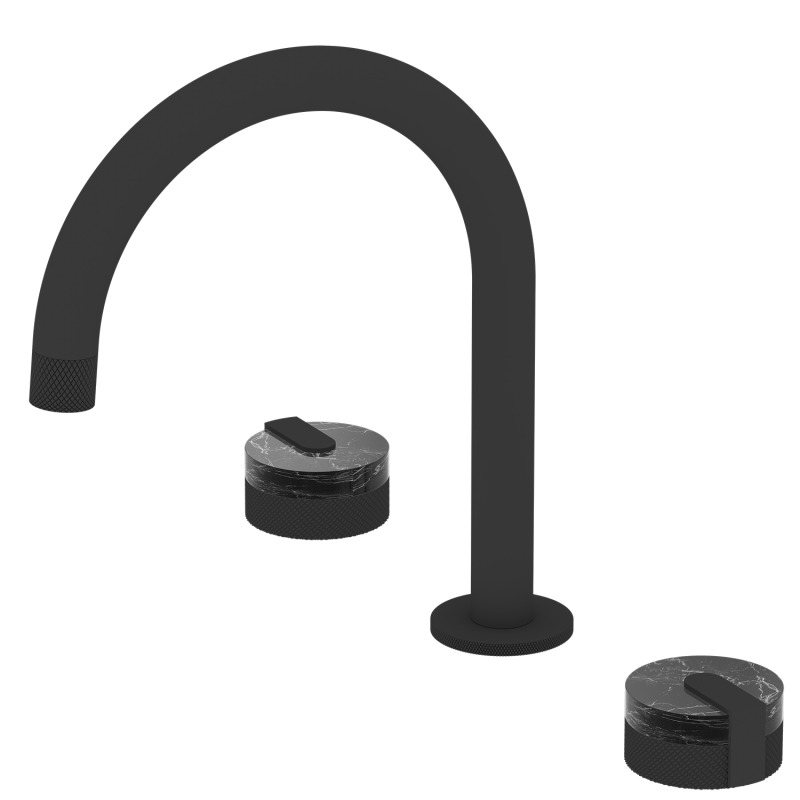
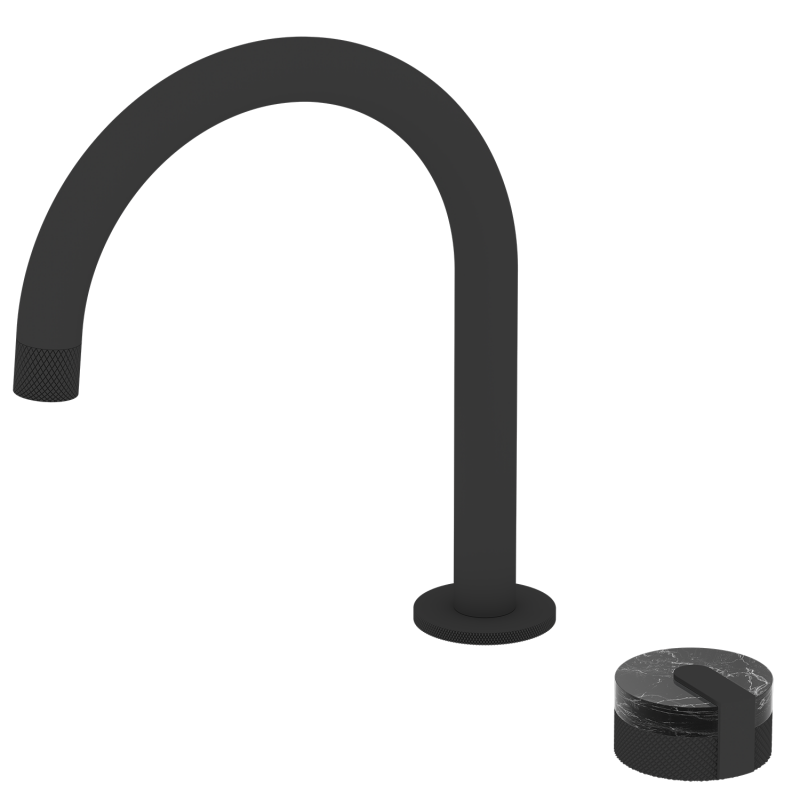
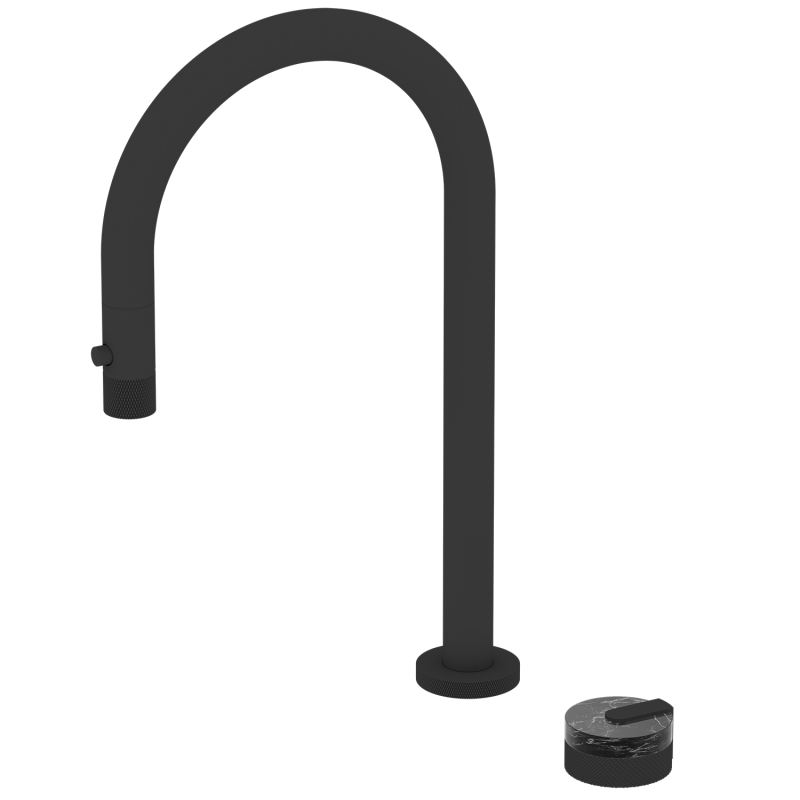
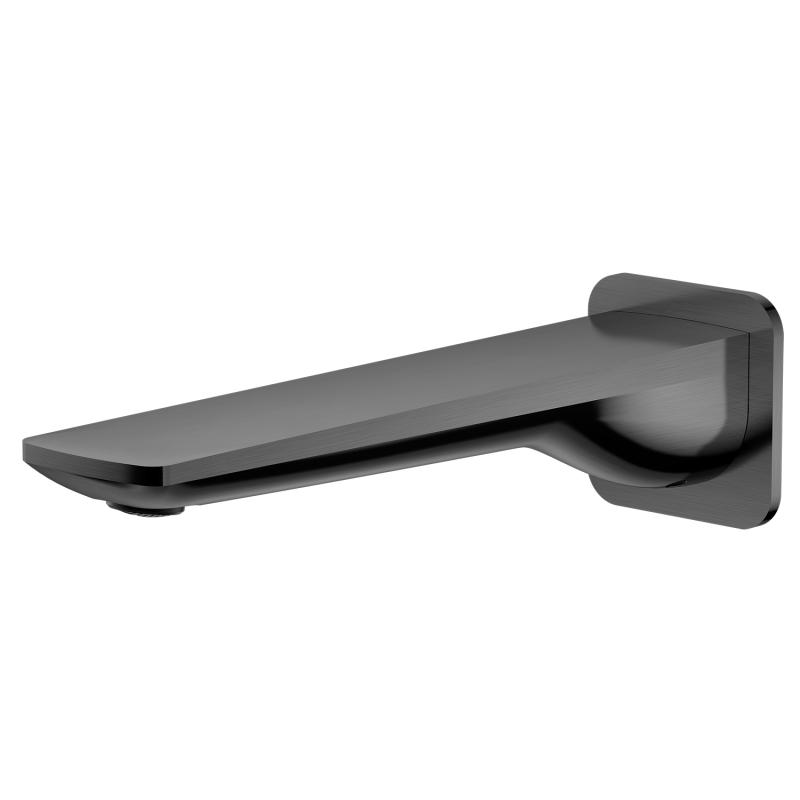
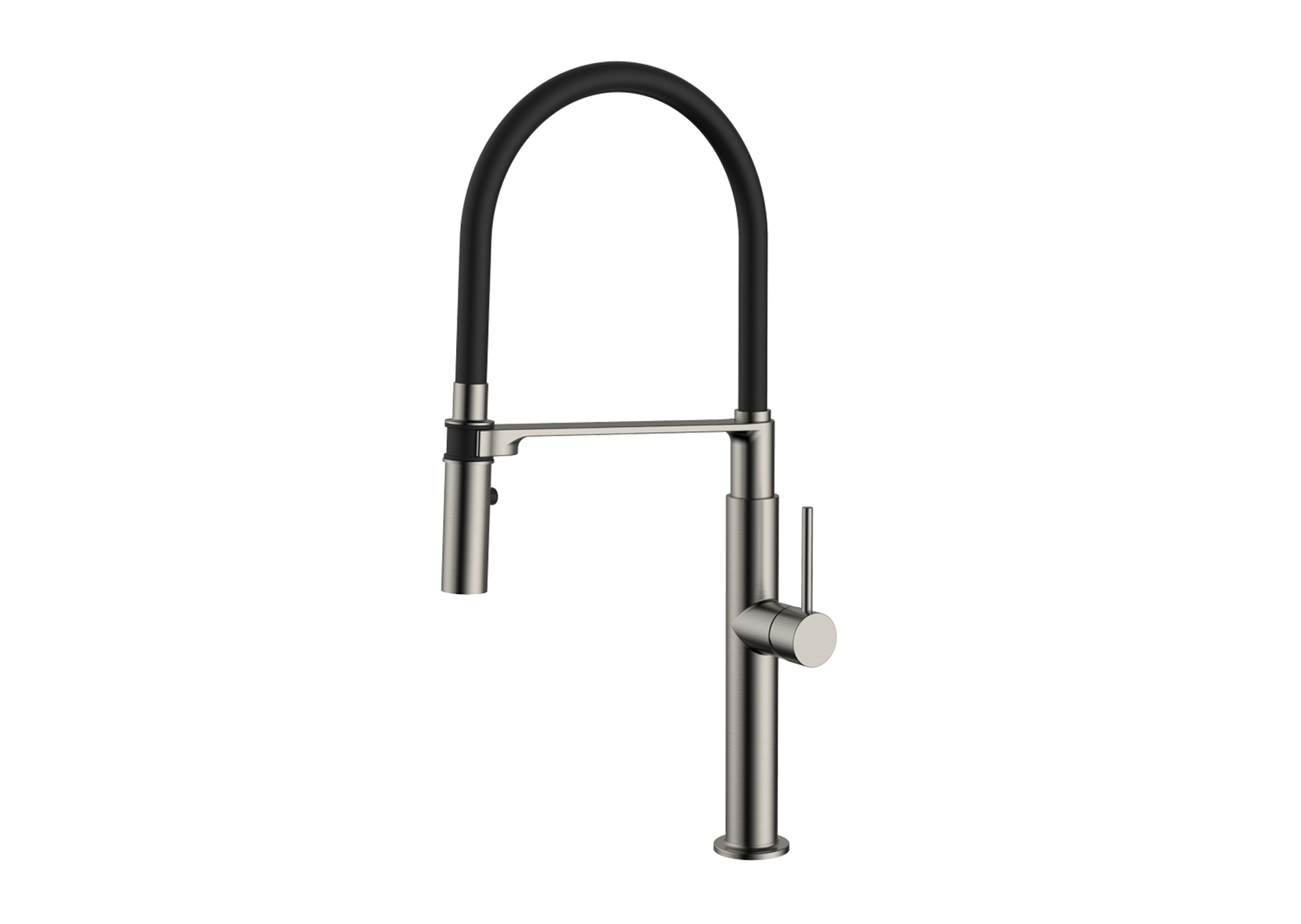
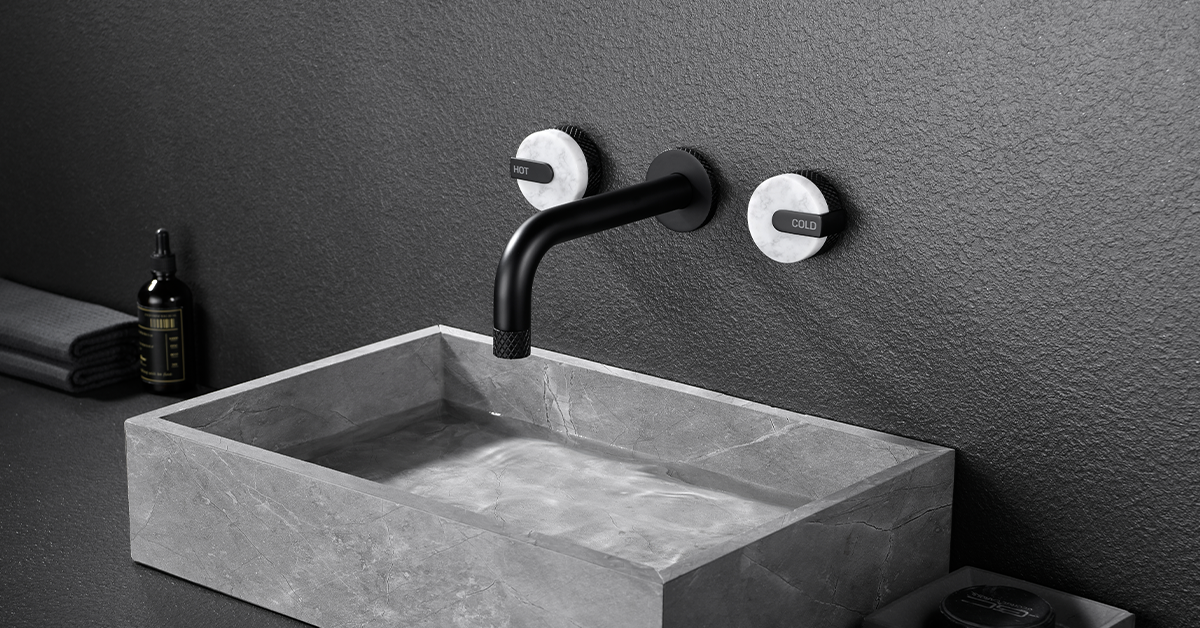
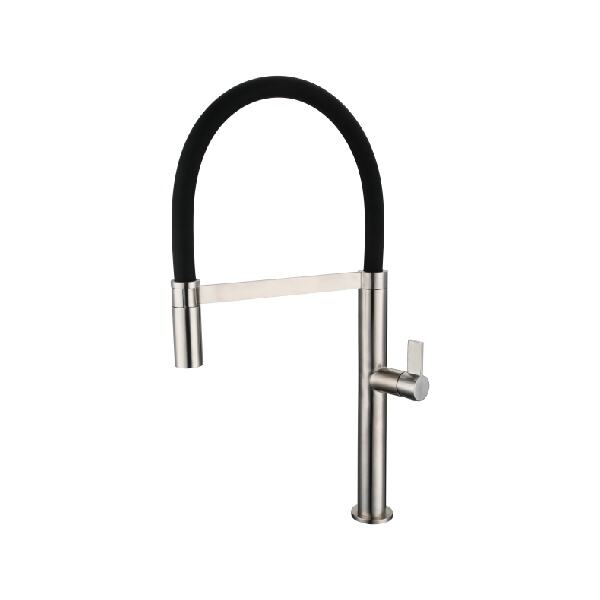
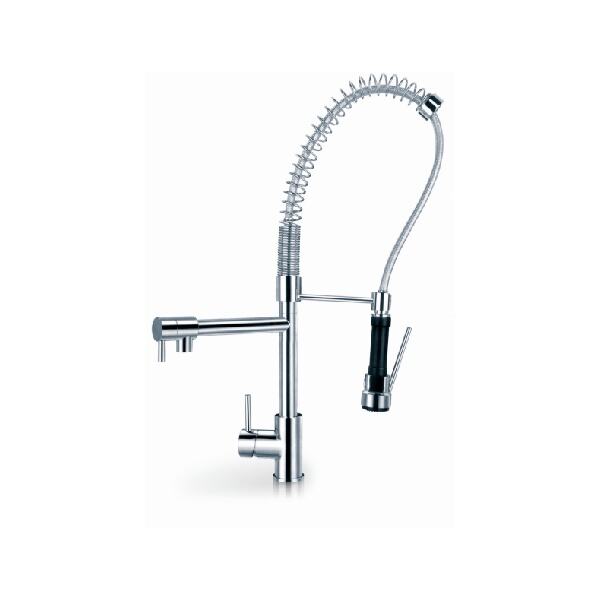
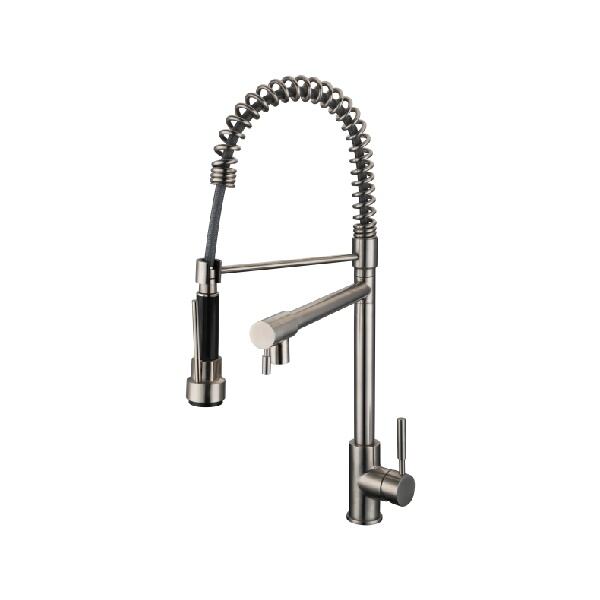
commercial kitchen tap
A commercial kitchen tap represents the cornerstone of professional food service operations, designed to meet the rigorous demands of restaurants, hotels, catering facilities, and institutional kitchens. Unlike residential faucets, these specialized fixtures combine robust construction with enhanced functionality to withstand constant use while maintaining optimal hygiene standards. The commercial kitchen tap features heavy-duty brass or stainless steel construction that resists corrosion and maintains structural integrity under continuous operation. These units incorporate advanced valve systems that provide precise water flow control, enabling kitchen staff to manage water pressure and temperature efficiently during various food preparation tasks. Most commercial kitchen tap models feature high-arc spouts with extended reach, allowing users to fill large pots and wash oversized equipment with ease. The technological features of modern commercial kitchen tap systems include ceramic disc cartridges that ensure leak-free operation and extended service life. Many units incorporate pre-rinse spray attachments that deliver concentrated water streams for effective cleaning of dishes and cookware. Temperature control mechanisms in commercial kitchen tap designs often feature separate hot and cold handles or single-lever mixing valves that provide rapid temperature adjustment. Some advanced models include sensor-activated operation, reducing cross-contamination risks by eliminating the need for manual contact. The applications of commercial kitchen tap systems span across various food service environments, from busy restaurant kitchens to hospital food preparation areas. These fixtures serve essential functions in food washing, equipment cleaning, pot filling, and general kitchen sanitation procedures. Commercial kitchen tap units must comply with health department regulations and NSF standards, ensuring they meet strict hygiene requirements for food service applications. Installation considerations include proper mounting height, adequate clearance for large equipment, and connection to appropriate water supply lines that can deliver the required flow rates and pressure levels.
 EN
EN